


From AI-powered smart reading assistants to huge libraries of smart texts, there are a lot of tools aimed at helping students improve their reading skills. Simply reading stories, making annotations, and even embedding questions to be answered — there are many helpful additions to the reading itself to help cement learning.
And with new AI additions, these resources are getting better than ever. The idea is to offer a way to help both educators and students work together to improve literacy skills in the most efficient and engaging way.
Many of these even come in web app forms so they can be easily accessed across a range of devices.
This guide aims to lay out the very best tools to teach reading so you can find the top contenders for a place in your class.
Best to teach reading skills overall
Actively Learn

Actively Learn is a digital reading platform that helps teachers turn texts into interactive, engaging learning experiences. The tool provides a large library of articles, stories, and curriculum-aligned passages, but teachers can also upload their own materials.
What makes Actively Learn stand out is its embedded questioning and annotation features. Students encounter prompts, notes, polls, and scaffolds — such as hints, translations, and text-to-speech — right inside the reading flow, which supports comprehension and encourages deeper thinking.
Teachers can track progress through a detailed dashboard showing how long students read, how they annotated, and with which questions they struggled. These insights help with differentiation and targeted instruction.
Actively Learn works across subjects, making it useful for ELA, science, social studies, and more. The free tier includes strong core features, while paid plans unlock expanded libraries and analytics. It’s a versatile platform for bringing structure and accountability to digital and classroom reading.
READ: Actively Learn guide
Best for social reading
Glose
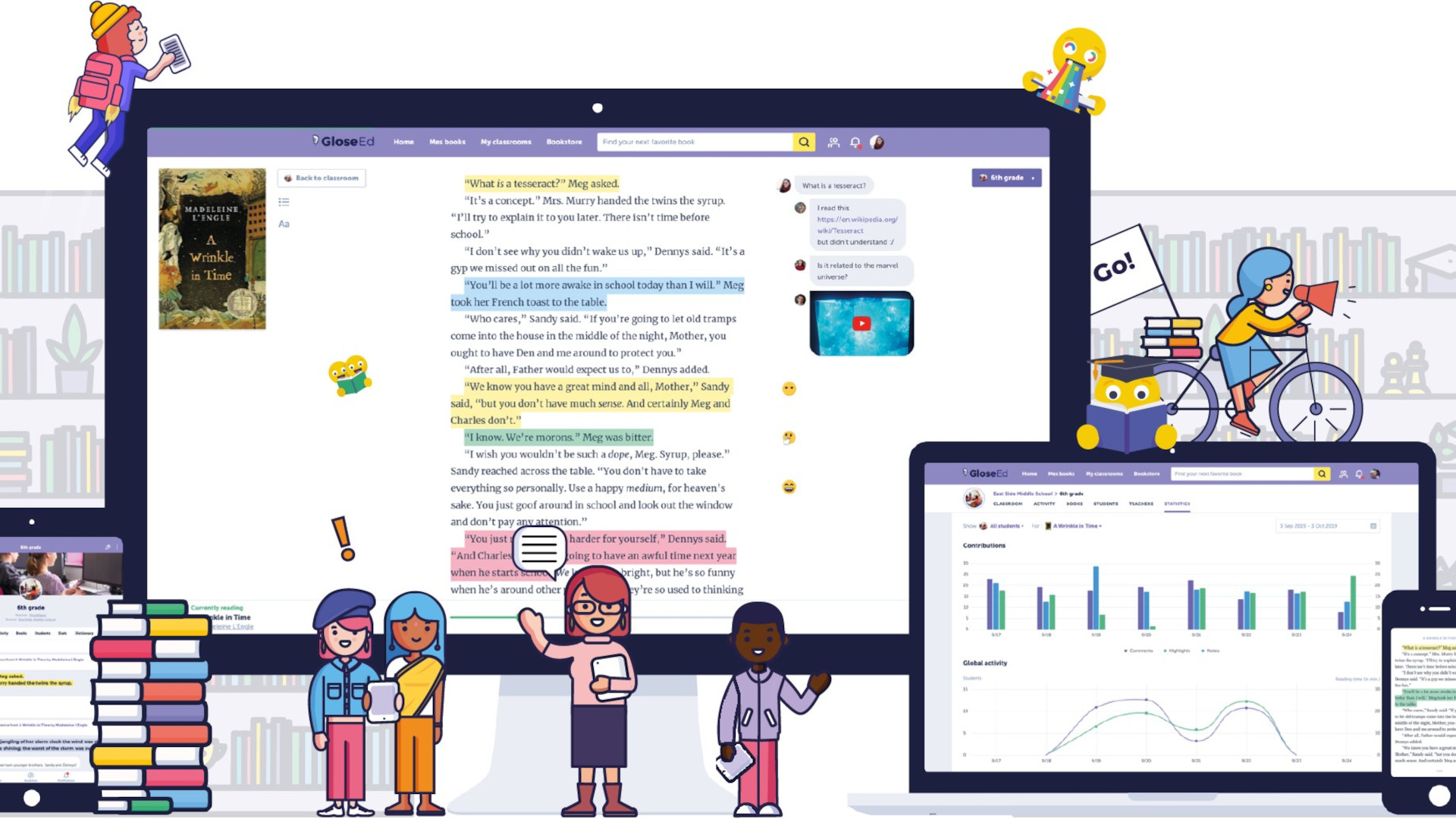
Glose is a digital reading platform designed to make reading more social, interactive, and accessible across devices. The tool provides thousands of ebooks and audiobooks, and its interface encourages students to engage with texts actively rather than passively. Students can highlight, annotate, leave comments, and respond to each other’s insights in a secure, teacher-managed environment. This shared reading experience helps build comprehension and confidence, especially for reluctant readers.
Teachers can curate reading lists, create assignments, and monitor student progress through built-in analytics showing reading time, engagement, and completion. Glose also syncs across phones, tablets, and laptops, making it practical for homework or hybrid learning. Its flexible library model allows schools to mix free titles with purchased ebooks. With a focus on collaboration and ease of use, Glose is a good option for classrooms looking to build community around reading.
READ: Glose guide
Best for real-time guidance
Amira Learning
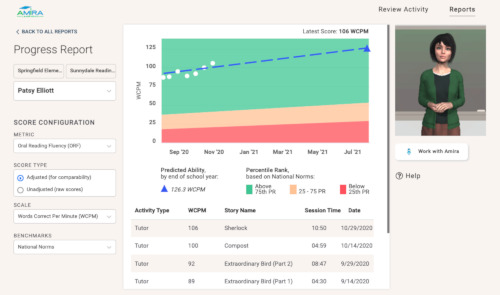
Amira Learning is an AI-powered reading tutor designed to support early readers with real-time, one-on-one guidance. Using advanced speech recognition, Amira listens as students read aloud and identifies errors such as mispronunciations, omissions, or hesitations. The system then provides immediate, gentle feedback and prompts students to try words again, offering decoding support, or modelling correct pronunciation. This creates a personalized tutoring experience that aligns closely with the science of reading.
Teachers gain access to detailed fluency and accuracy data, including error types, reading rate, and progression over time. This helps identify students who need targeted intervention and helps with small-group instruction.
Amira fits easily into literacy blocks as a supplemental activity, allowing teachers to work with one group while others receive structured practice. District-level licensing provides access to the full platform. For schools looking to strengthen early literacy and provide consistent, adaptive support, Amira offers a powerful, research-backed solution.
READ: Amira Learning guide
Best for phonics
Lalilo
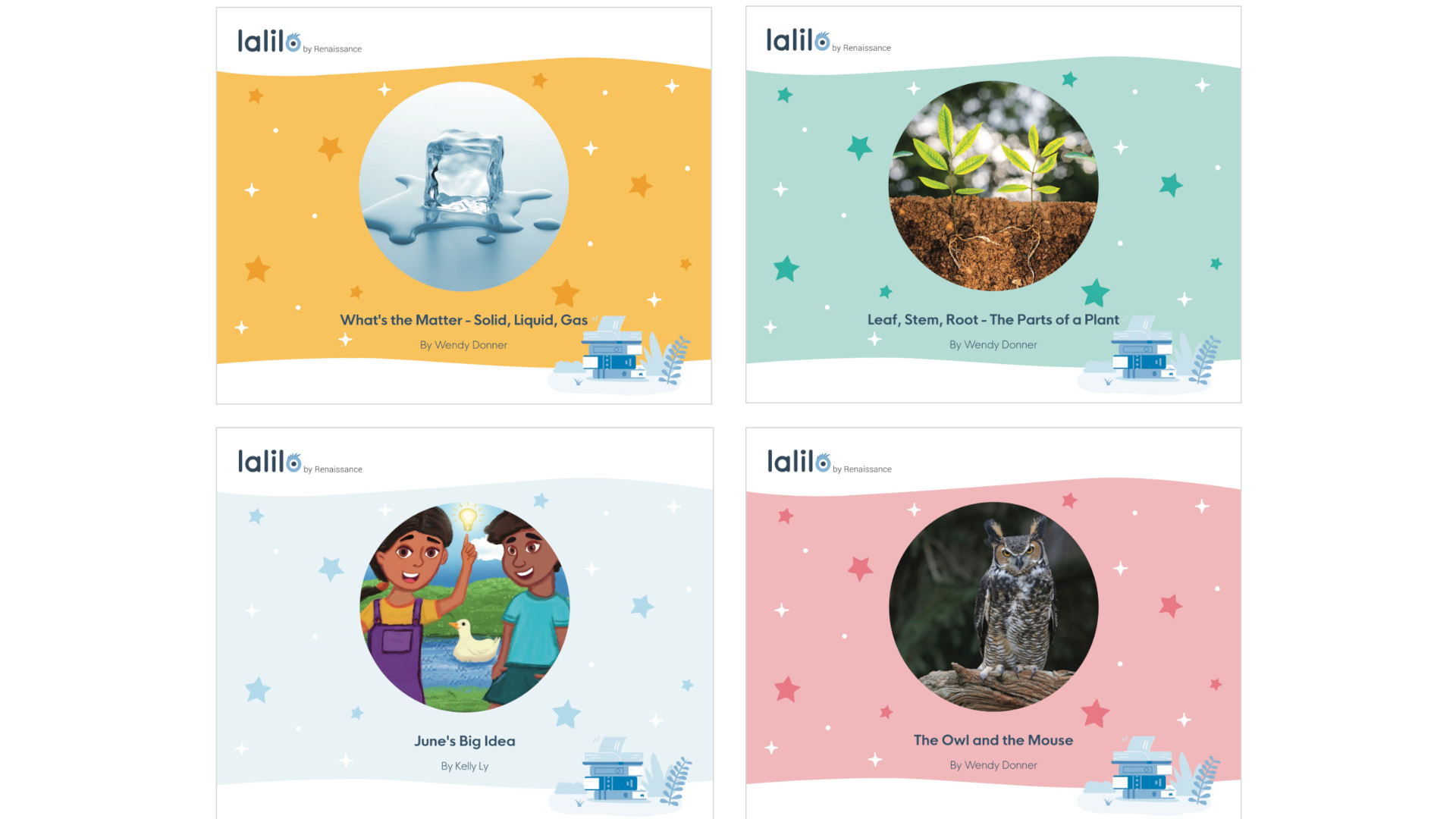
Lalilo is an adaptive, phonics-focused reading program aimed at supporting early learners as they develop foundational literacy skills. It offers a playful, illustrated environment in which students work through phonemic awareness, letter–sound relationships, decoding, and early comprehension tasks. The program adjusts difficulty automatically, ensuring each child works at an appropriate level that builds confidence without causing frustration.
Teachers can track progress through clear dashboards that highlight strengths, gaps, and emerging skills. This makes it easier to form targeted small groups or identify students who may benefit from additional intervention. Lalilo is especially useful in kindergarten through second-grade classrooms, where consistent phonics practice is essential. The activities are short, engaging, and well-suited to independent rotation work. With its focus on early reading science and its ability to adapt to individual learners, Lalilo provides a helpful layer of structured practice within a broader literacy curriculum.
READ: Lalilo guide
Best for independence

LightSail
LightSail is a literacy platform designed to support independent reading while giving teachers the data they need to guide instruction. The system offers a large library of levelled texts, allowing students to choose books that match both their reading ability and personal interests. As students read, LightSail embeds brief comprehension checks and vocabulary activities to keep them engaged and assess understanding in real time.
Teachers have access to detailed analytics showing reading time, progress, quiz performance, and overall growth. This makes it easier to monitor independent reading and ensure students are selecting appropriate texts.
LightSail also supports goal setting and personalized reading pathways, helping students build motivation and ownership over their progress. Suitable for classroom, after-school, or home use, LightSail provides a structured framework for developing reading stamina and comprehension skills, with a strong emphasis on student choice and visibility into learning.
READ: LightSail guide