

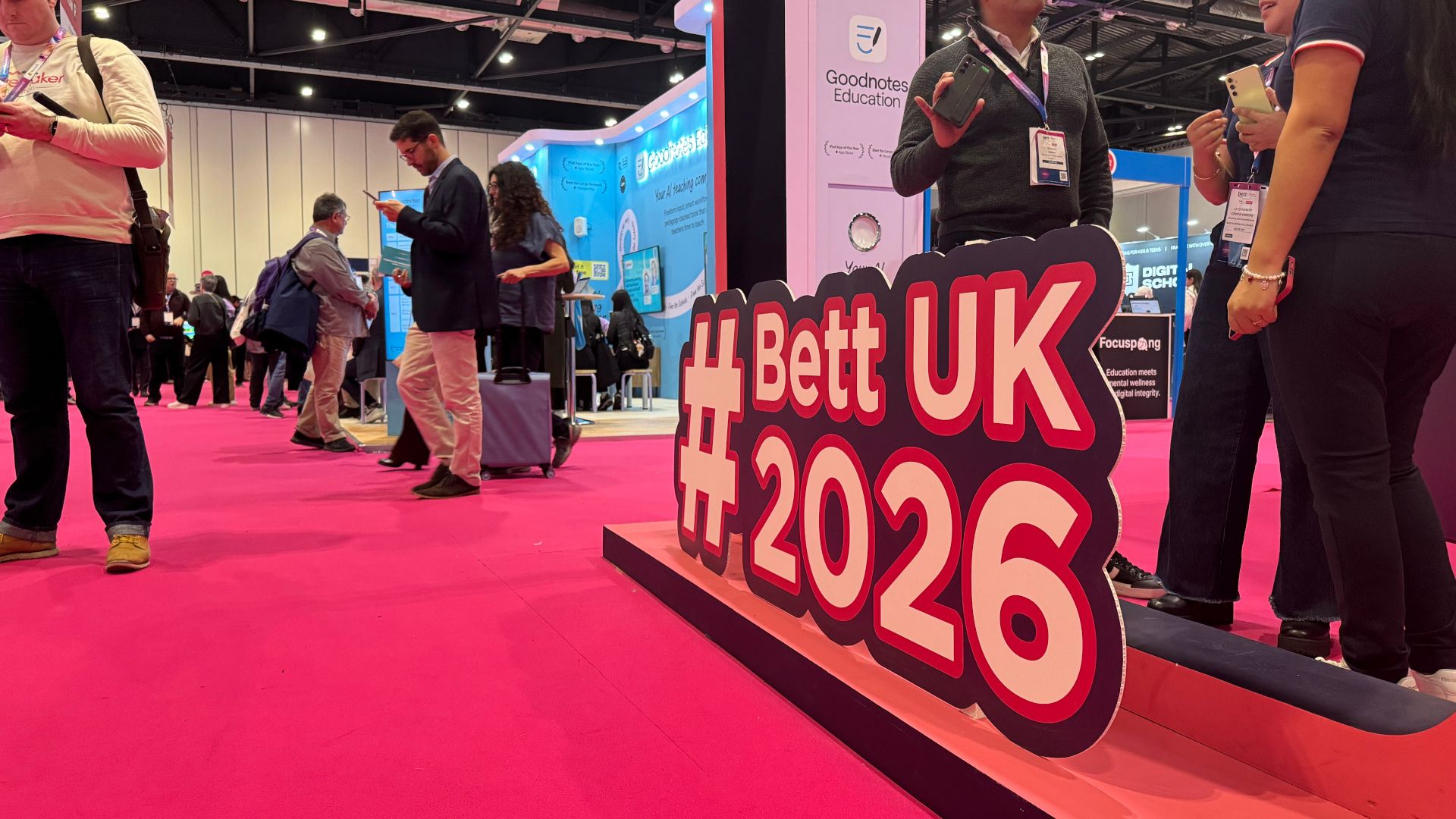
The best of BETT 2026 is all here. Well, technically it was all laid out at London’s ExCel Centre, as it has been every year since it started in 1985. But the best of that show is right here in this article, which has been created after walking the show floor, meeting the exhibitors, and exploring the less well-known brands and tools that give us a glimpse at the future of tech in education.
The event featured appearances from the usual big names such as Google, Microsoft, and Asus, but this year stand-out new names include WhimsyLabs, Routine Roo, and Faheem, among others.
Here are my very best picks from what I saw on the BETT 2026 show floor, featuring the technology to propel education forward in a way that makes teaching better than ever.
While this is our best bits from the show floor, be sure to check out the Bett Awards for the final decisions on the very best to come out of BETT 2026.
Best of BETT 2026: WhimsyLabs
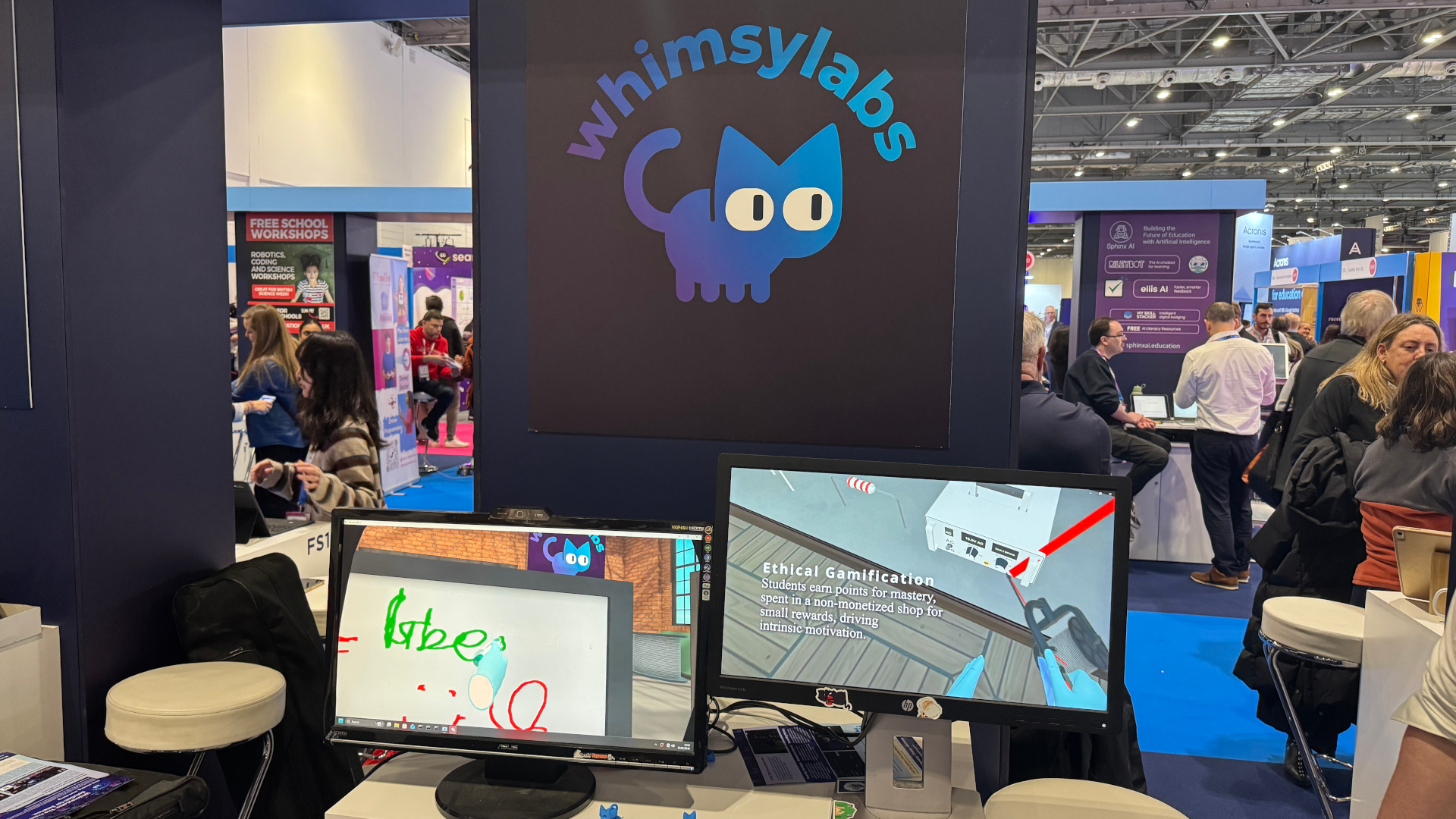
WhimsyLabs stood out at BETT 2026, despite being hidden away, as the passion of its creators, and excitement of anyone giving it a try, made this a show gem. Having been secretly under production for sometime, the VR science teaching software finally made its BETT debut.
This platform scales to fit devices — so a classroom with ChromeOS could access this on a relatively low-powered computer and will still get a fully interactive VR experience. And that’s the point here as this is a near like-for-like physical world experiment platform, only purely digital.
This scales from schools to college with simple pre-made experiments right up to complex original creations. Educators can tweak details to a super fine level, even adding in impurities in the case of chemistry, for example. The end result is a chance for students to carry out experiments, with real hand movements and object interactions, as if in the physical world.
This has been used in universities as a helpful way to teach lab process to students so, when they get access to the physical labs, they’re experienced and prepared to get the most out of the time they have. It’s like a digital practice space for chemistry, biology, and physics experiments.
Best of BETT 2026: Routine Roo
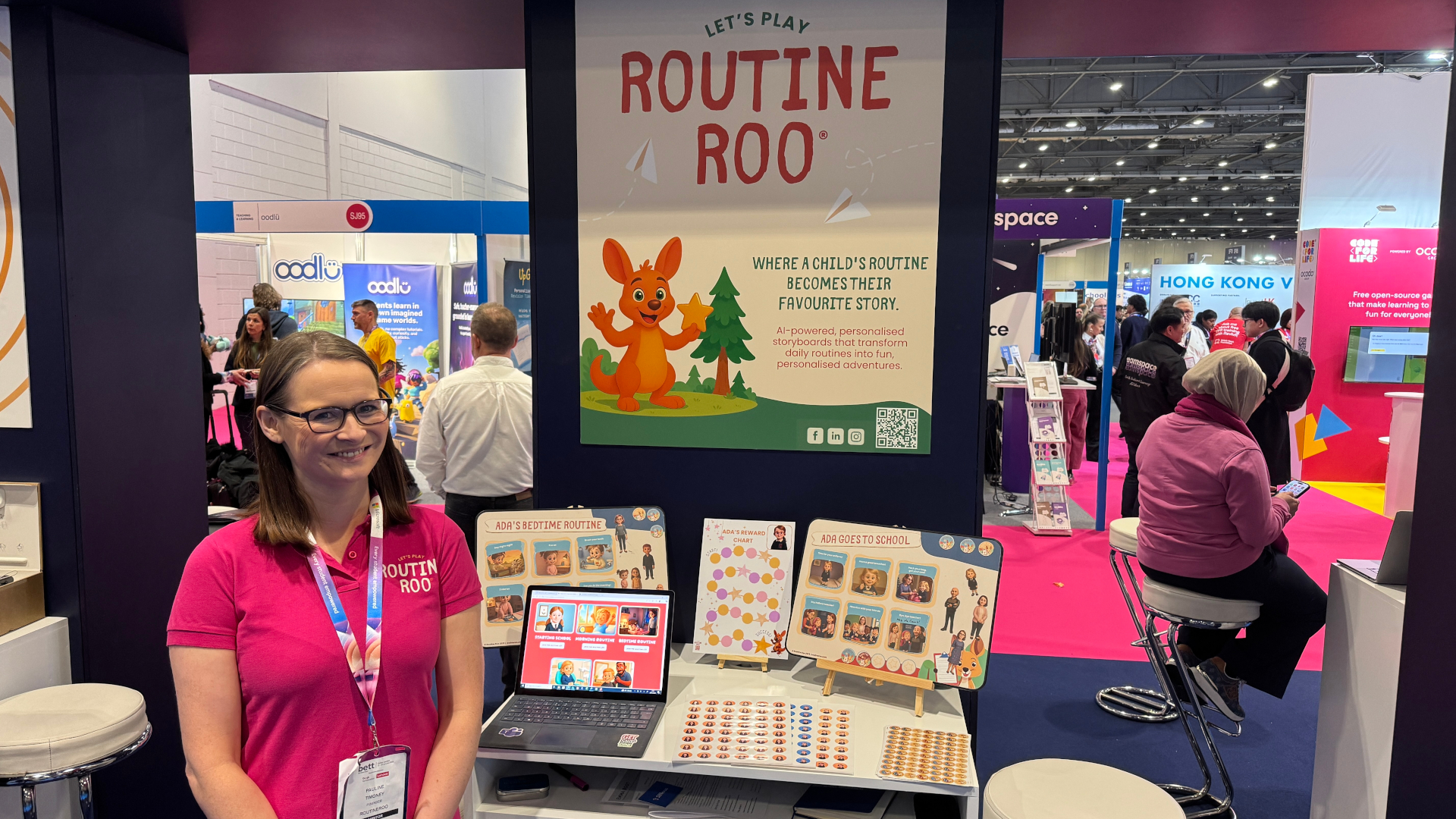
Routine Roo is a charming and hugely exciting tool designed specifically to help parents, or teachers, and young ones. The idea for this app, due to launch in March, is to help empower young children to perform their routines with more enjoyment and — for parents and teachers — with far less resistance.
So, at home that can mean working on bedtimes that otherwise take hours and can be draining, by agreeing with the little ones on the process, so they can be awarded as they complete each stage. From setting up teddies and reading a certain number of stories, to brushing teeth — it can all be included. This uses a visualized cartoon version of the child to make it even more inclusive and engaging for the children.
Routine Roo is digital, with an app, but also offers physical boards that are magnetized to help children see and lay out their routines as part of the empowering planning process.
Best of BETT 2026: Faheem
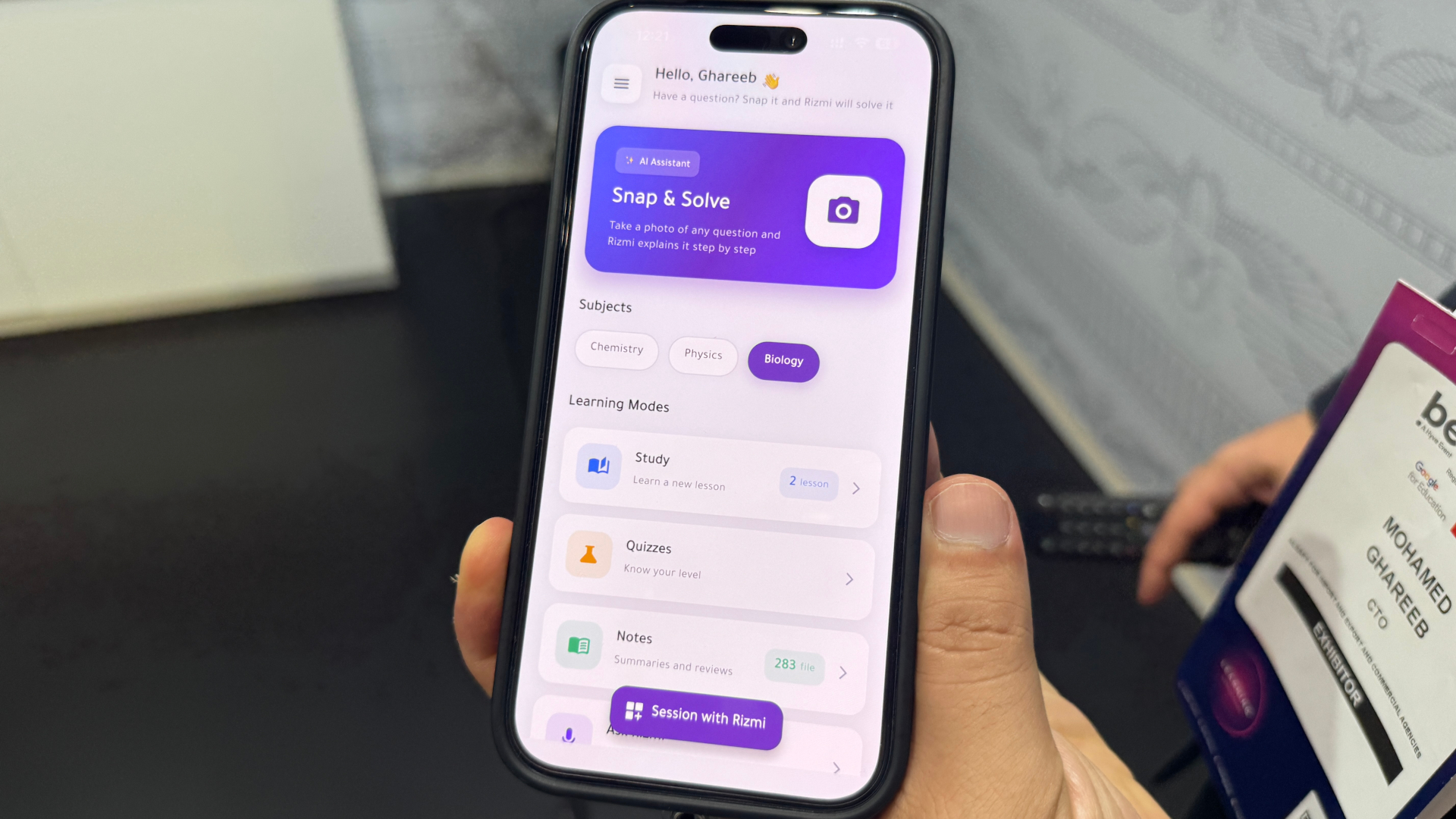
Faheem is one of the more interesting AI education tools appearing at BETT 2026 because it moves beyond static AI tutor chatbots into something closer to an agentic learning companion.
Rather than simply responding to prompts, Faheem is designed to proactively guide learners, adapt explanations based on mastery, and shift approach depending on a student’s intent or difficulty level.
Faheem stands out because it learns rather than having the usual novelty AI features. The platform positions itself as inquiry-led, encouraging students to explore concepts through questioning and adaptive pathways rather than linear instruction. For teachers, this suggests potential use as a differentiated support tool rather than a replacement for instruction.
This is Egypt-backed and -based right now but can easily scale internationally, with plans to do just that. Keep your eye on this one.
Best of BETT 2026: Agibot
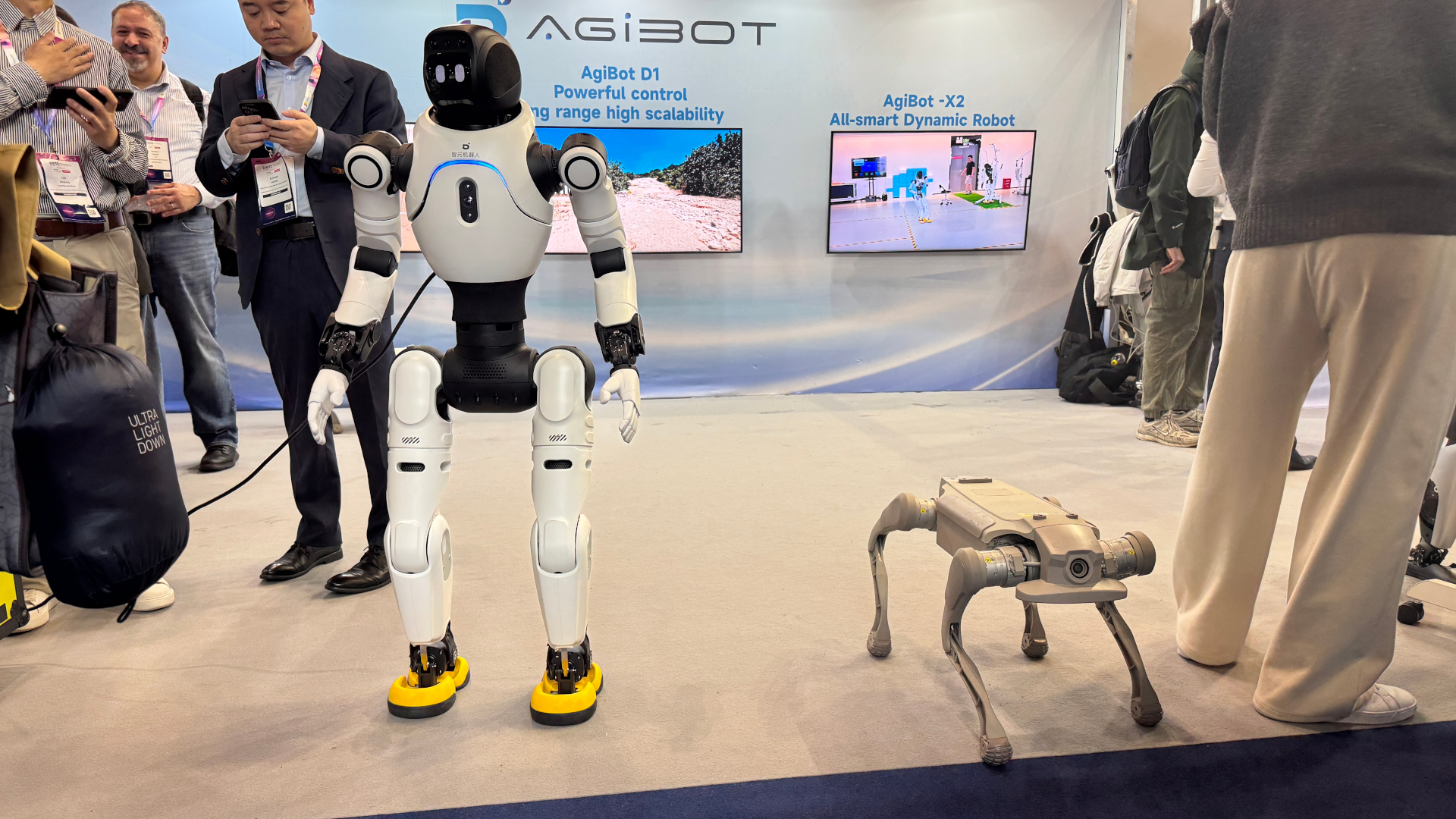
Agibot was a stand-out at BETT 2026 thanks to its free moving robots that could be spotted wandering the halls of the show — and getting lots of attention. This should also be the case in a classroom where these robot have huge potential for engaging students.
Agibot offers schools a tactile way to explore AI, automation, and human-machine interaction. Its robots are designed to move, see, and respond in human-like ways, making abstract concepts around robotics and AI far more concrete for students.
The robots can be used to support STEM teaching, coding, problem-solving, and discussion around how AI systems work in the real world. For teachers, this opens up new opportunities for hands-on demonstrations and cross-curricular learning, particularly in computing and engineering.
Best of BETT 2026: Intel AI PCs for Education
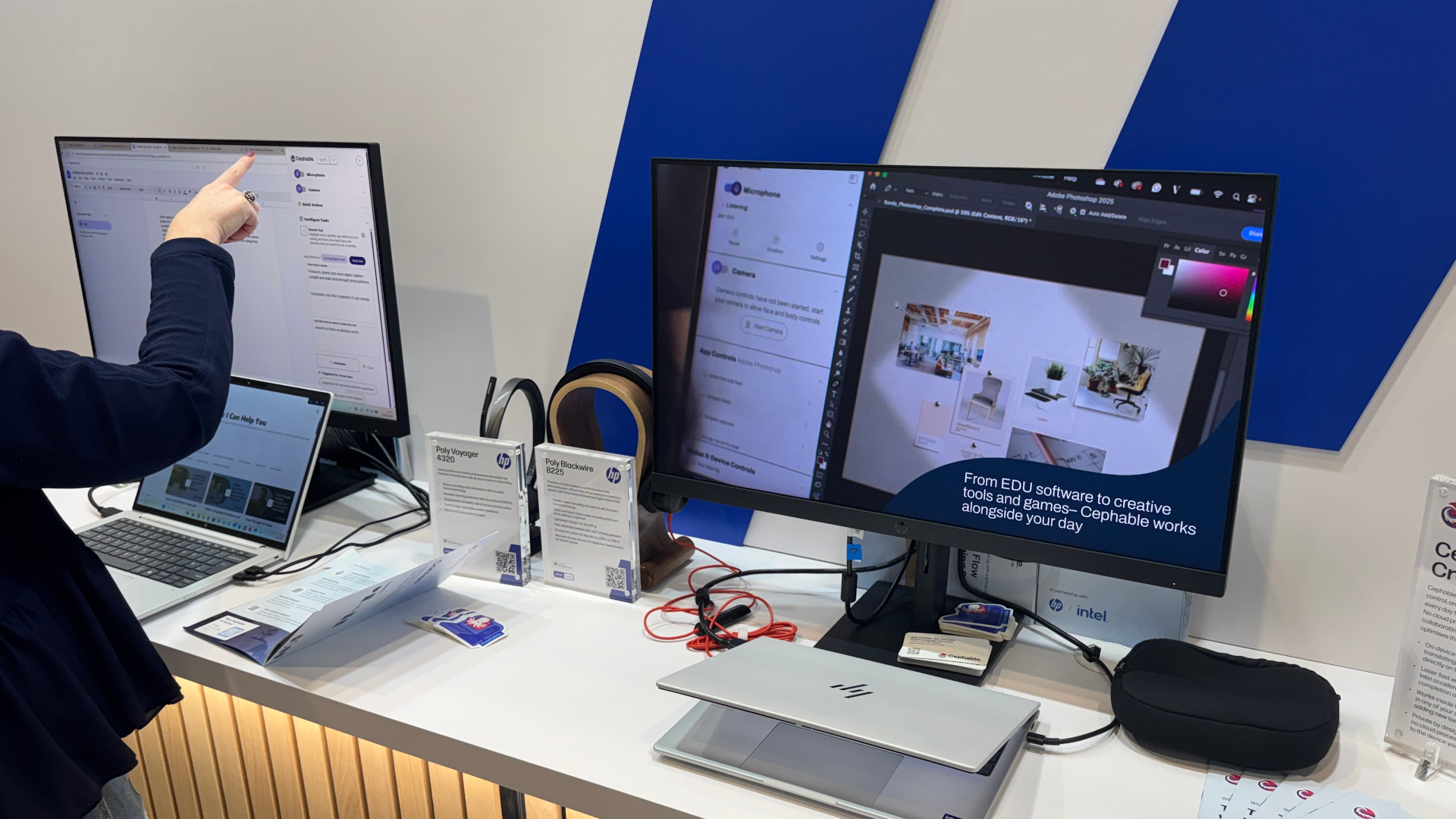
Intel AI PCs for Education are being shouted about this year at BETT 2026 as these have really come into the mainstream, bringing real-world AI use to the class.
AI in education often relies on cloud-based tools, but Intel’s presence at BETT 2026 highlights a growing shift toward on-device AI processing. Intel is showcasing AI-capable PCs designed for classroom use, focusing on performance, security, and responsible AI deployment.
For teachers, the key takeaway isn’t raw processing power, but what it enables — faster AI tools, reduced latency, better data privacy, and offline or limited-connectivity use cases. Intel’s Skills for Innovation program also ties hardware directly into teacher training and curriculum development. From Asus and Lenovo to HP, lots of big brand PC manufacturers are getting on-board in this shift to onboard AI.
The ASUS Chromebook CL14 CL15 series stood out as a way to get that level of AI support while keeping prices reasonable without sacrificing on features.
Best of BETT 2026: BBC Bitesize Learning Hub
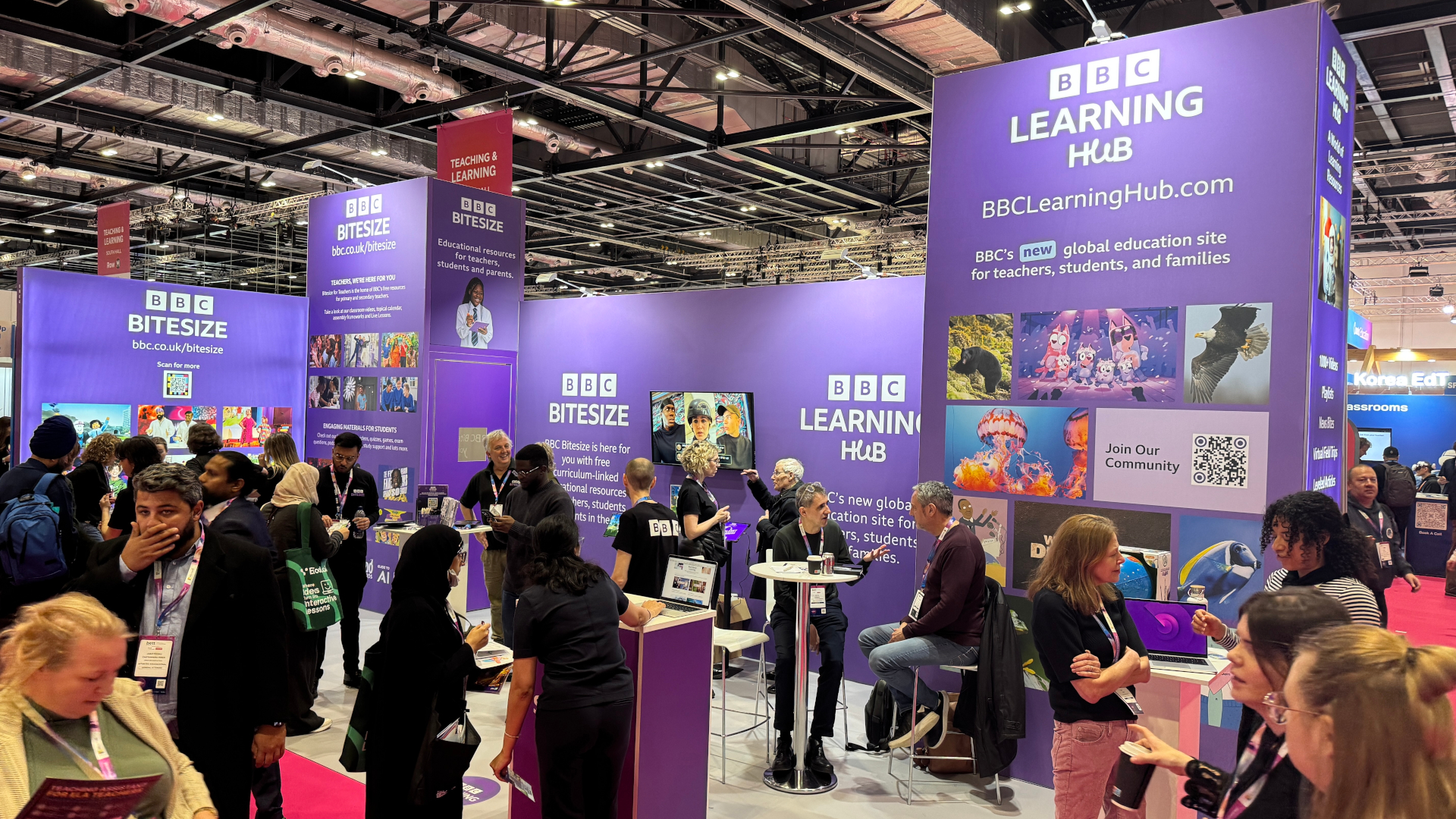
BBC Bitesize Learning Hub is the BBC’s classroom-friendly extension of its long-running Bitesize brand, designed to support teachers with high-quality, curriculum-aligned resources. It’s built to make lesson planning easier and learning more engaging, with a focus on accessible content that feels familiar and trustworthy.
The hub brings together videos, interactive activities, and teaching materials across a range of subjects. The idea is to help teachers add depth to lessons without having to build everything from scratch. It’s especially useful for quick explanations, revision support, and reinforcement of key concepts in a way to which students actually respond.
For educators, the real value is the BBC’s editorial rigor with content that is well-produced, clear and classroom-ready.
Best of BETT 2026: Muud
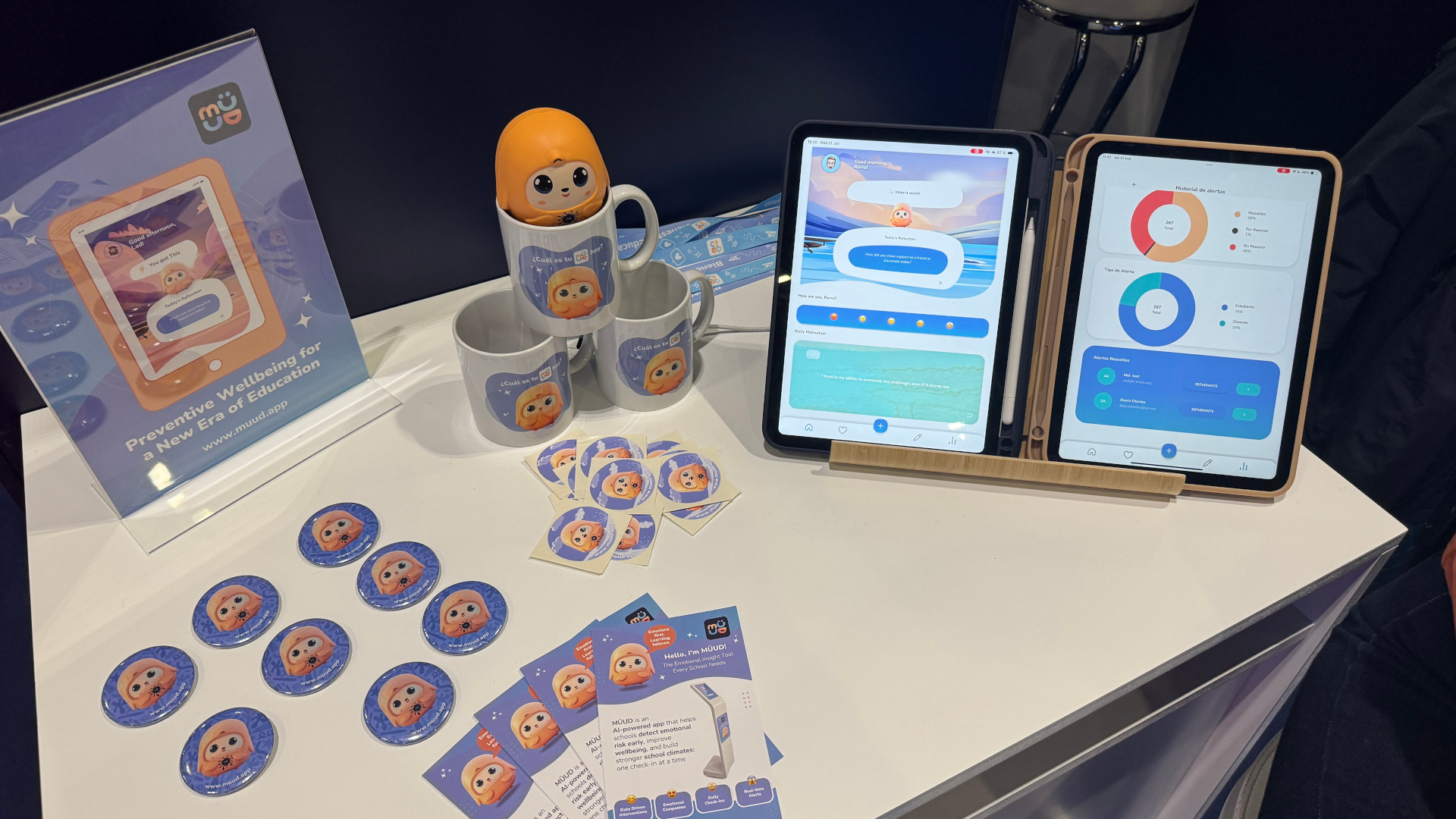
Muud (pronouced “mood”) is a wellbeing platform designed for children, but also for schools, as a way to monitor moods. It provides teachers with tools to check in on student mood, track wellbeing trends, and respond with appropriate support.
The platform is built around simple, regular check-ins that help educators spot patterns early, and gives students a safe space to reflect on how they’re feeling.
For teachers, Muud offers a way to build wellbeing into the day without adding extra workload. It is especially suited for schools that want to add a more proactive, whole-school approach to mental health.
Best of BETT 2026: Promethean
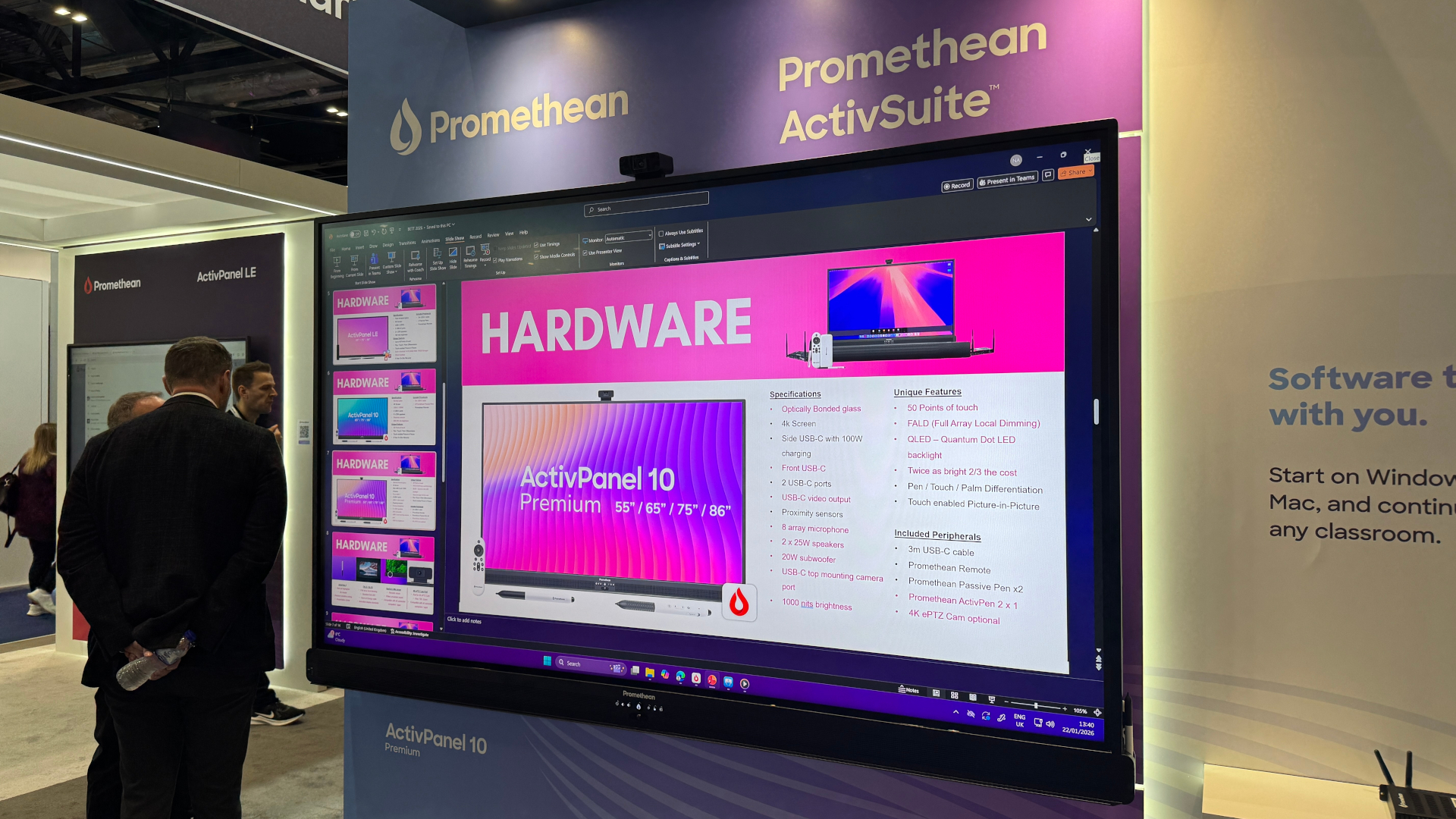
Promethean is one of the most recognizable names in classroom technology, best known for its interactive whiteboards and touch displays. Here at BETT it stands out thanks to a focus on teacher-led learning.
That means fewer features than some but to the advantage of educators that get a reliable platform that supports their teaching style.
Teachers can build activities, annotate live, and involve the whole class without needing a tech specialist to run the show. It’s the kind of setup that keeps lessons moving and students engaged — especially in busy, mixed-ability classrooms.
Best of BETT 2026: FocusSpring
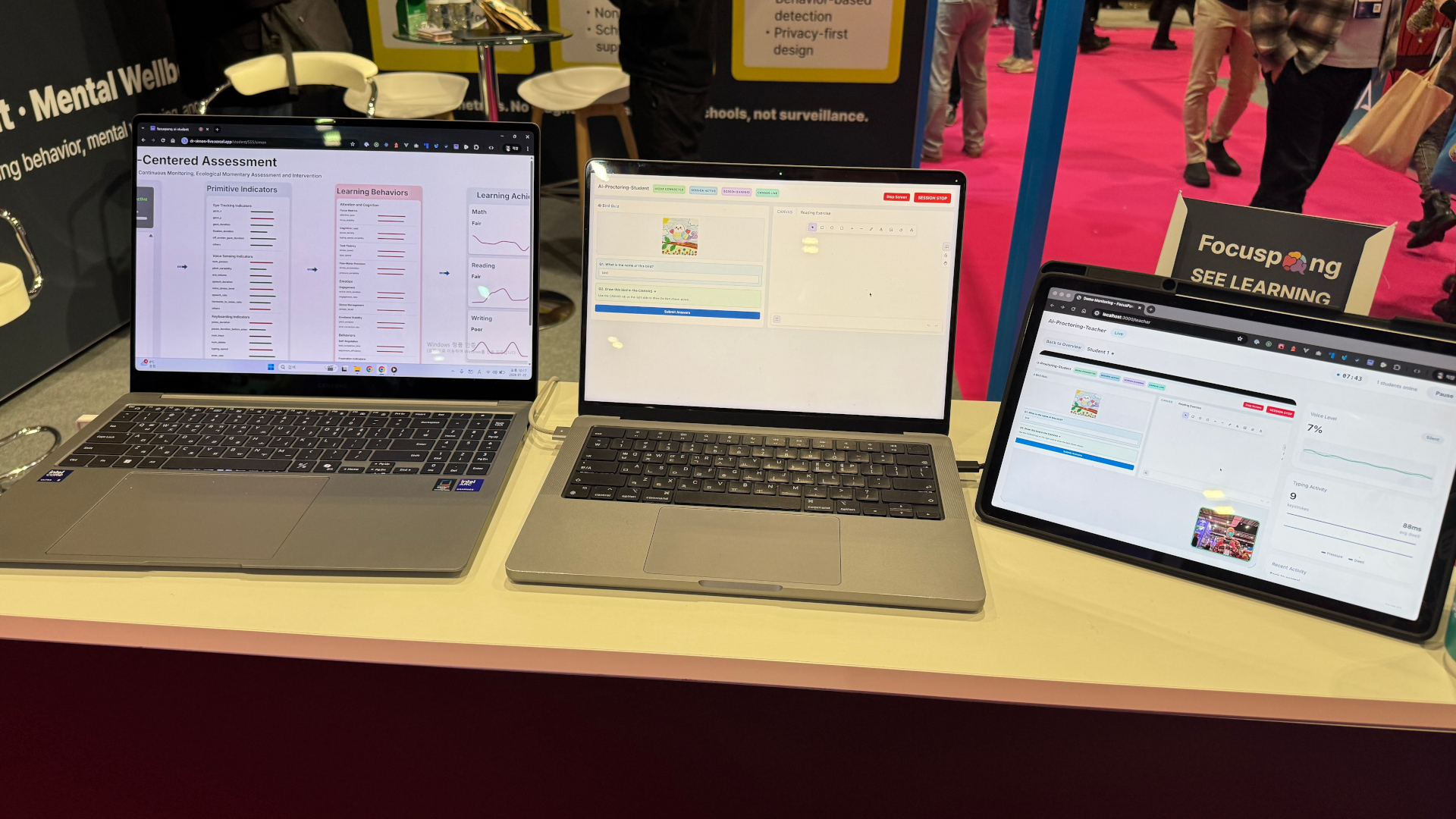
FocusSpring is a South Korean-based software solution that’s used in schools widely as a way to help inform educators on student mental and educational wellbeing. Started by a concerned father, due to high suicide rates in the youth of Korea, this is about preventing problems by offering useful data on how students are doing.
Crucially, this gets all that by collecting what students are doing, live, rather than them having to do anything. A combination of eye tracking, keystroke detection, voice sensing, stylus use, and more — all from current hardware — allow for key metrics to be monitored by educators and parents.
The outputs include learning behaviors such as attention and emotional engagement, self-regulation, stress, and more. While this is used to monitor students supportively, it’s also being used as a way to help teachers train, seeing what works and what doesn’t — live — using the data to help. Plans to launch this in the U.S. are already underway.
Best of BETT 2026: Pasco
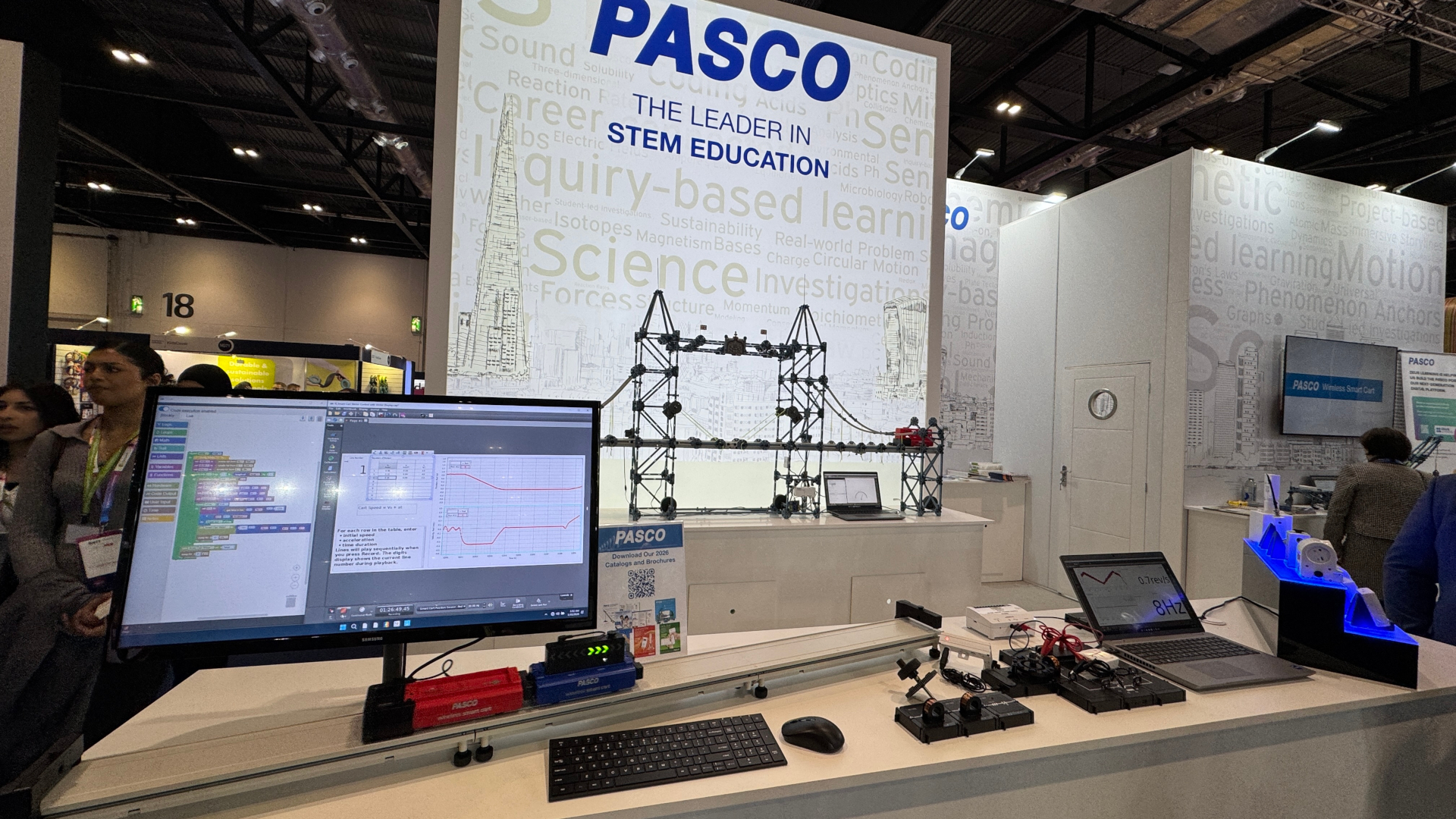
Pasco is a hands-on science and engineering offering that brings real-world experimentation into classrooms. Rather than relying on simulations, Pasco’s equipment, from sensors to lab kits, lets students collect real data, test hypotheses, and see science in action.
What makes it particularly useful for teachers is how easily it fits into existing lessons. The tools are designed to be durable, straightforward, and curriculum-friendly, so teachers can run practical experiments without needing a specialist lab. Data is captured cleanly and instantly, to help students move from observation to analysis simply.
When STEM learning is increasingly becoming digital, Pasco stands out by keeping experiments tactile and authentic. It’s the kind of tech that supports deeper scientific thinking and real investigation. At BETT it’s a reminder that technology can enhance learning just as much through physical, hands-on tools, as through screens.
Check out the full list of USA EdTech tools at BETT 2026 here.