

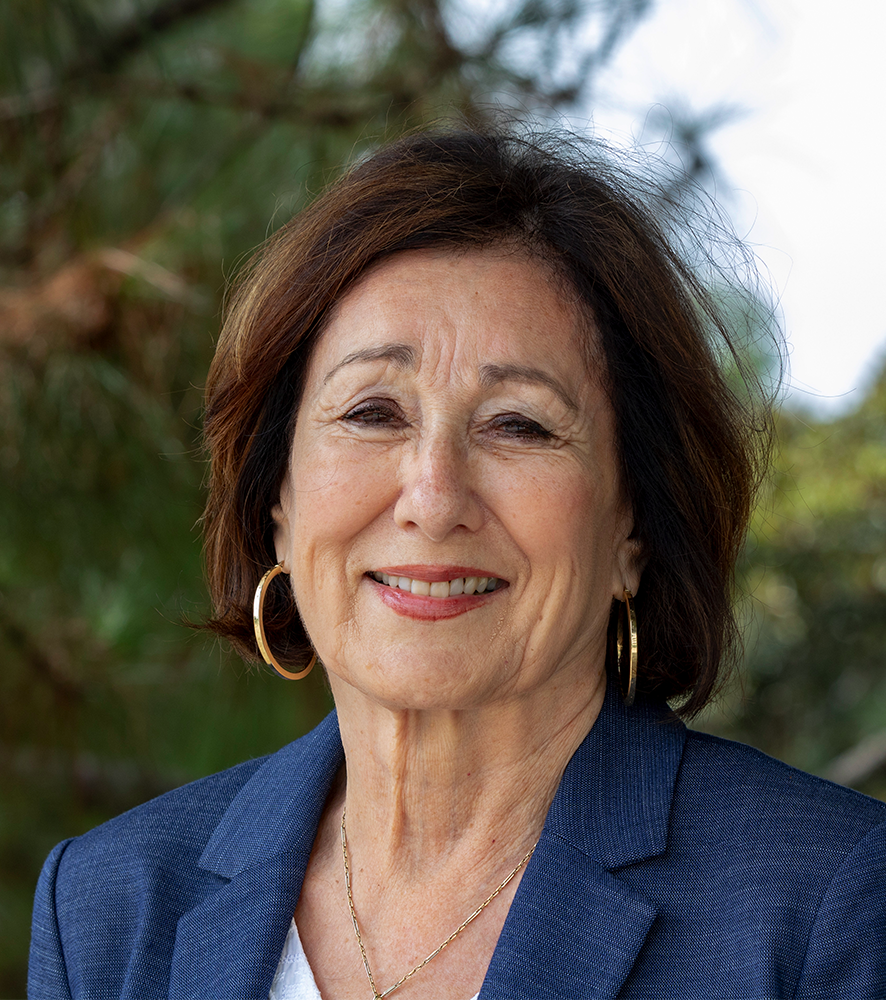
Patricia Gándara asks that the US recognize the benefits of multilingualism
Even though it is widely acknowledged that the US is an immigrant-receiving country, with almost all families initially hailing from some other part of the world, the education of immigrant students has long been contentious. And the focal point of this disagreement has been language. The US has never had an official language, but English is so pervasive that it is the de facto language of the nation. The topic of “official language” tends to arise when Americans perceive there are too many immigrants in the country. In the 1750s, Benjamin Franklin worried that the English language would not survive due to the many Pennsylvania schools that taught students in German. But language is also culture, and an official language also excludes other cultures and the people from those cultures. For example, much more recently, Samuel Huntington, Harvard political science professor, wrote in 2004:
“The persistent inflow of Hispanic immigrants threatens to divide the United States into two peoples, two cultures, and two languages. Unlike past immigrant groups, Mexicans and other Latinos have not assimilated into mainstream US culture, forming instead their own political and linguistic enclaves—from Los Angeles to Miami—and rejecting the Anglo-Protestant values that built the American Dream. The United States ignores this challenge at its peril.” (Huntington, 2004)
At the turn of the 20th century, the US experienced its greatest influx of immigrants, and American schools focused on teaching English, not just for purposes of communication but to ensure that the children were “Americanized.” In 1974, the Supreme Court established in Lau v. Nichols that schools had a legal obligation to make instruction accessible to students who did not speak English, and in 1982, it found in the Plyler v. Doe decision that all children regardless of their citizenship status had to be provided a free public education. The debates thus moved from whether to educate the children of immigrants to how to educate them.
With a new influx of immigrants beginning in the 1970s, the focus turned to what extent students’ home languages should be used to educate them. Our own research showed the many benefits of speaking more than one language on education, earnings, and employment outcomes. Moreover, teachers insisted that building on students’ home languages made sense, but once again anti-immigrant sentiments resulted in a push for English-only instruction, and in 1998, California became a battleground for a rising movement to abolish all native-language instruction by mandating that English learners be taught only in English. In 2016, California threw off the shackles of English-only instruction by resoundingly passing legislation that encouraged bilingual and dual language education. Moreover, English-speaking parents increasingly argued that their children should share in the benefits of multilingualism too.
The great irony is that while both the research and the constituency to support bilingual education now exist, America’s immigrants are under siege, and their children question whether they have a future in the US. The many benefits that immigrants represent, including their languages, are being squandered, and they are being vilified as undesirable. The road to multilingualism in the US is indeed rocky.
Patricia Gándara is co-director of the Civil Rights Project/Proyecto Derechos Civiles at UCLA. www.civilrightsproject.ucla.edu