

Since I was young, one of my favorite things to do was read. So naturally, as I got older, I more or less stopped doing it. Part of the problem was that I was waiting for the perfect time and place to read. I wanted a quiet spot with a comfortable chair and enough time to read a chapter or so.
However now, as a father of two young kids juggling multiple teaching and writing experiences, these types of perfect reading moments don’t really exist for me—I’m sure other educators can relate.
Over the years, I’ve had to abandon this idealized reading mindset and adopt a more I-thrive/read-in-chaos mindset. Technology has helped with this, and the combination of using ebooks and audiobooks has allowed me to average about three to four books per month.
I’m certainly no super reader, but as the summer approaches and we all look to get in extra reading, here are some ways in which technology has helped me keep up with my reading.
1. Reading Ebooks
I truly prefer to read a real paper book over an ebook as there’s just something about the way the paper crinkles as you turn the page that can’t be duplicated in a Kindle or other digital reader.
Even so, I read much more when I read ebooks. Unsurprisingly, this is all about convenience. Real books require two hands to hold and proper lighting to see. They also have a habit of getting lost or left at home when you need them most.
Ebooks are always with you. I’ve tried dedicated ebook readers, such as a Kindle, but the best bet for me is just to use a reading app on my phone. This way it’s always with me, and when I’m tempted to go online and start scrolling through social media, I remind myself to read for five minutes instead. Often this five minutes turn into 10 or 15 minutes, and little by little, I work my way through more books.
2. Listening to Audio Books
I love going to live author events and listening to them read from their work, but I will admit that during a live reading, my mind often wanders and I can’t follow the plot details. This used to happen to me with audiobooks as well.
To stay engaged, I eventually started adjusting the playback speed. I start at 1.25 speed and then go up from there based on the speed of the narrator. When I’m really dialed into a story, I’ll often listen at 1.7 speed, which approaches the speed at which I actually read.
I also find that audiobooks lend themselves particularly well to nonfiction, first-person narratives, and/or stories with fewer characters. Sprawling multicharacter epics still tend to confuse me a bit when listening. But overall, when we listen to books, we retain about as much information as when we read them, research shows, and that’s what I’ve found.
3. Reading Audio and Ebooks Together
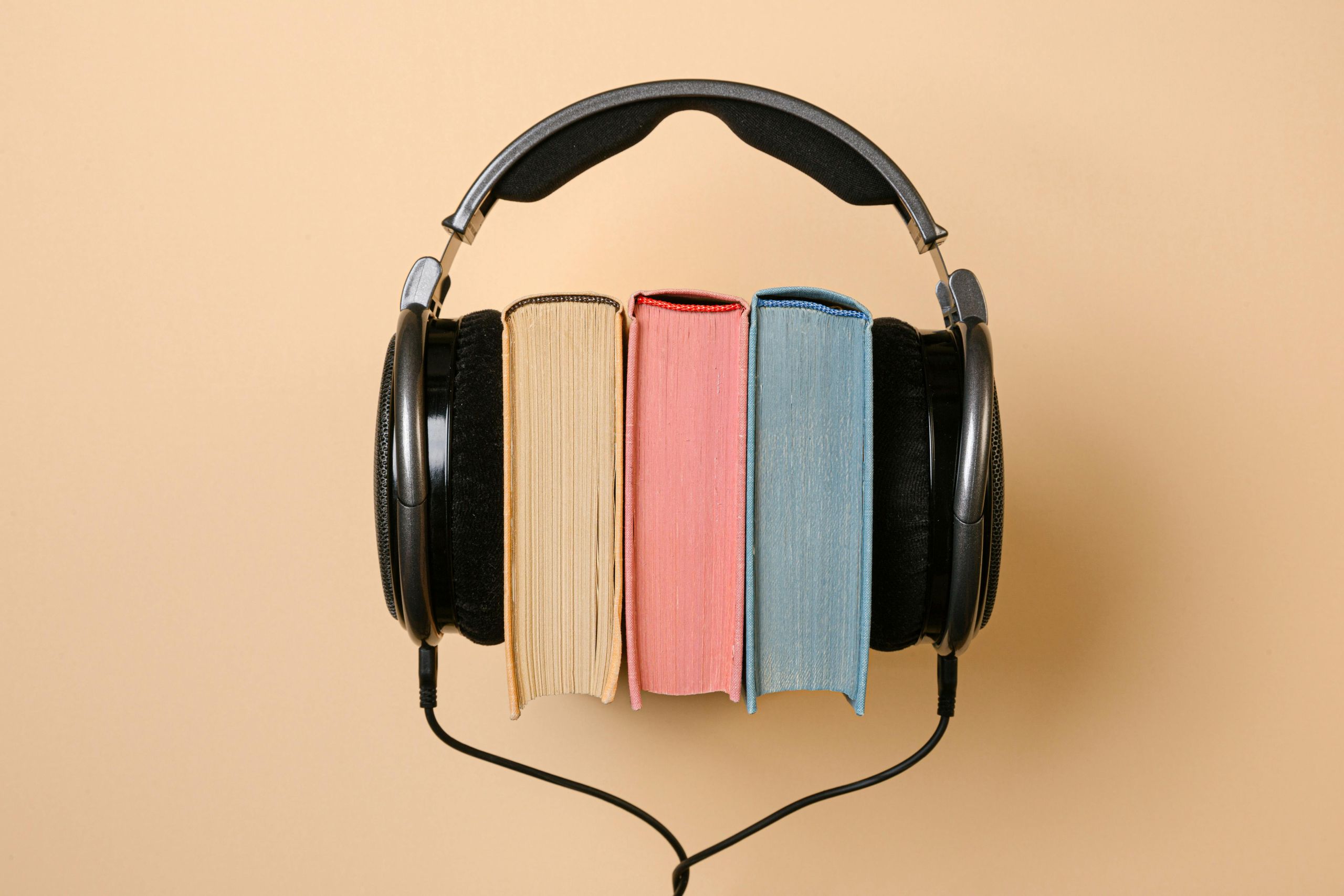
Some worry that when we listen to audiobooks instead of reading, it encourages us to stop reading altogether. This isn’t the case, according to most reading experts. In fact, some have told me that listening to books supports reading books.
I’ve certainly found this to be the case personally, and I’ve discovered a great strategy to increase my reading is to listen to and read the same book.
Amazon offers Whispersync, a feature that allows you to seamlessly toggle back and forth between your audiobook and Kindle without losing your place. Even if you prefer to use a more independent bookstore-friendly platform such as Libro.FM, I find that with a little effort, it’s not too hard to go back and forth between the two and keep moving forward through the narrative. If I’m listening to an audiobook and want to find my spot in the ebook I’m reading, I just search a particular phrase.
One of the biggest hurdles to me finishing a book is momentum. If I spend too long reading any book, I tend to get tired of it. Listening and reading the same book really fights this and helps me get to 50 pages or so of progress without too much effort.
4. Chunking
As teachers, we are often encouraging our students to make small manageable goals and then start completing those. I believe the same sort of principle is behind what makes social media so addictive. It comes in bite-sized servings. We don’t have to commit to reading any particular text or watching any video, it doesn’t matter if we get interrupted.
I’ve tried to apply this to my reading habits and be less concerned about interruptions. If I have a few minutes to read, I’ll take that opportunity rather than scroll on social media. Audiobooks and ebooks lend themselves well to this technique because chapter and section breaks are less prominent as you read or listen, but the same idea holds true for traditional books as well.
Another lesson from social media I try to apply to reading is the idea of scrolling past something in which I’m not interested. On social media, the scroll never ends, and if what the algorithm is showing me isn’t interesting, there’s always plenty more to read. The same is, of course, true of regular reading. And those who study literacy say the idea that you must finish every book you start can halt reading progress.
Personally, I’ve started abandoning ship or scrolling past if I find my reading focus waning while reading a book. What I try to do is revisit the book after reading two or three other books, just to see if it was a matter of my being in the wrong mindset. This is occasionally the case, but more often than not, if I don’t finish a book, it’s because it is just not for me. Unless it is something I need to read for research, once I’ve given a book a second try, I move on for good.
A part of me still hates not finishing a book, but I’ve learned to silence that part of me and figuratively scroll past the book I don’t like. This is one of the most effective ways I’ve found for continuing to read overall.