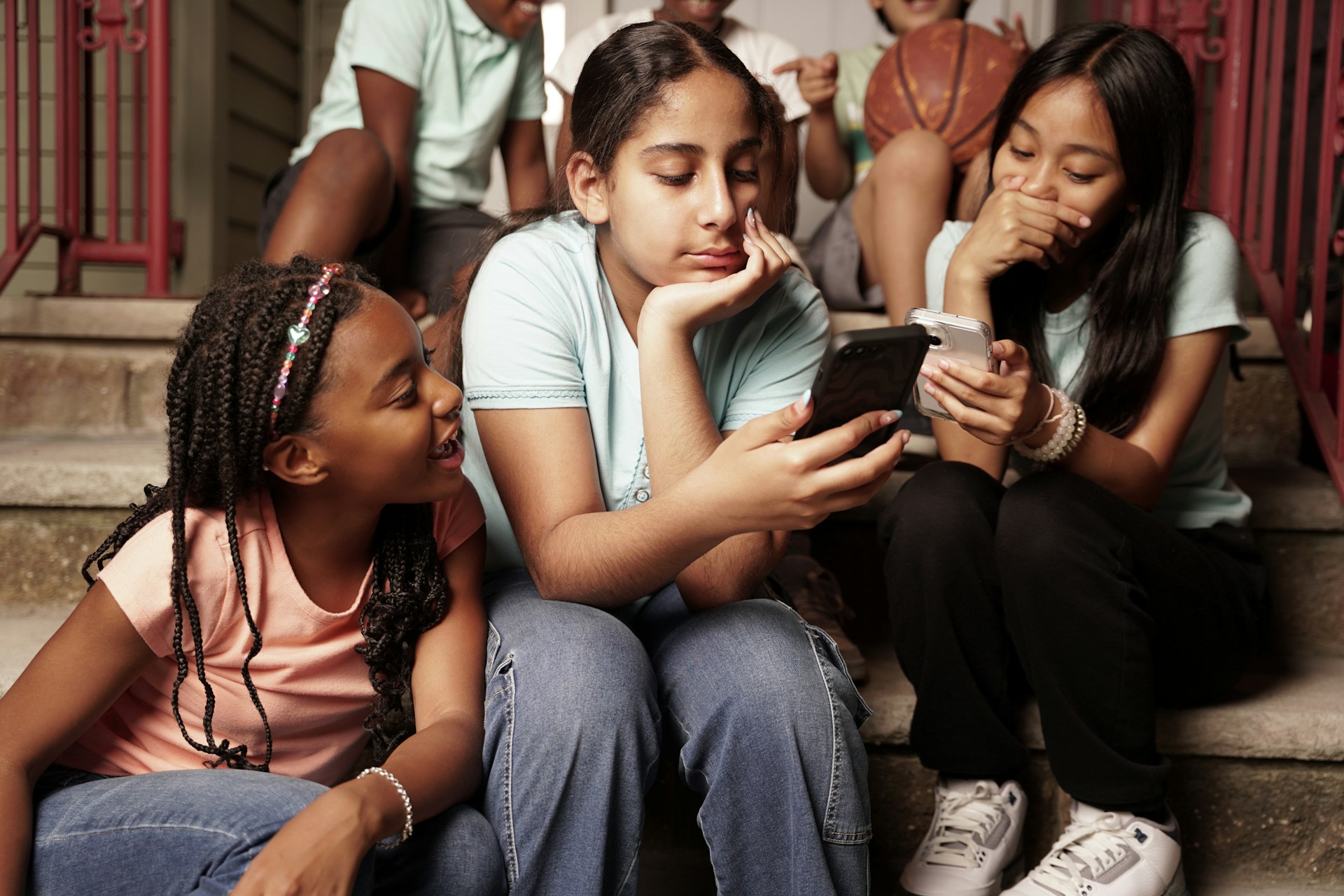
HOW ARE TEENS REACTING TO NEW DIGITAL RULES IN AUSTRALIA?
Richard Crawshaw is watching the impact of the social media ban recently enacted by the Australian Federal Government closely. Here are his initial thoughts.
What’s happened so far
A new era of digital boundaries began in Australia this year, reshaping how young people under 16 engage with social media.
Platforms such as TikTok, Instagram, Snapchat and YouTube now face stricter age-based access requirements, with measures in place aimed at protecting young users under 16 years of age from mental health issues, online bullying, and addictive design features.
Here’s the update from Australia’s eSafety commission : Social Media Age Restrictions hub
While these rules mark an important step toward safeguarding children, they also raise an important question: Will restrictive rules alone really close the gap between protection and teens learning how to use social media with understanding? As Malaysia, Denmark, France, U.K. and possibly others are takig about following suit, it seems an important question for them to consider.

Can boundaries replace understanding?
Age-based social media restrictions provide boundaries, but can they teach students how to navigate the online world responsibly or critically? Young people are naturally curious and often find ways around barriers, meaning access may be delayed, but harmful exposure will inevitably happen.
Without guidance, students may again engage online without the awareness needed to make safe, informed choices. What we do know already is that a very high proportion of young people in Australia use social media: Young peoples social media use in Australia
Initial reactions
Many young people have relied on social media as their main form of connection and communication to their friendship groups and there is still a huge concern being debated that will cause disconnection. Before the ban came into effect, young people around the world gave their reactions to it. Some young Australians were invited to have a press conference with the Prime Minister and the Minister for communication to put their questions and concerns about the change directly to the government: Behind The News: Social Media Ban special
It has been suggested, that there are some young Australians who are saying “I can’t talk to my friends anymore” but is this really a social media platform issue? It is too early for any clear evidence to have emerged about the impact of the ban? Interestingly however, early reports say that there has been no “spiraling backlash, no rapid escalation of unintended harms, and no policy meltdown. For a reform as contested as this one was, that absence is significant.” After one month, is Australia’s social media ban working?
Is a standalone ban the answer?
With or without the ban, there is a strong argument to say that what students need most is relationship-based guidance to fully appreciate the reasons for the government putting this ban in place. For example, giving opportunities to explore online experiences and challenges alongside supportive adults, rather than relying solely on restrictions or fear of consequences.
Digital literacy empowers young people
Central to meaningful guidance is digital literacy. Young people need to develop practical skills and awareness that allow them to critically engage with online spaces. This may include the understanding of areas such as:
- How algorithms influence what they see and believe
- How advertising and commercial content shape behaviour and desires
- Online privacy and the implications of sharing personal information
- Consent in digital interactions
- How to recognise manipulation, misinformation, and harmful content
These skills prepare students to make informed decisions independently and feel far more durable than a temporary compliance with rules.

Helping parents ‘set the new normal’
One thing is for sure. Schools cannot have a fully positive influence in the field without collaborating with parents. A positive development here is that the Australian eSafety commission has set up a Parent Advisory Group with the aim of bringing together and supporting a diverse range of parenting communities through this change.
According to the Australian eSafety Commissioner, Julie Inman Grant, “Parents and carers play a critical frontline role in keeping young people safer online. To do that well, they need support that is practical, accessible and grounded in real family experience”.
And there does seem to be a need According to some surveys, parents have already reported having to manage a negative reaction to the ban. Young people have also reported feeling like they’d be cut off from their support networks, and were distressed about losing long-term digital friendships.
On the flip side, early research from a 2025 ‘Switch Off Study’ reported that 91% of families noticed more meaningful conversations without phones present, especially at dinner: Switch Off video
Research on family screen time highlights that positive communication environments are associated with less sedentary screen use and more engaged interaction. As this ban settles in and takes effect, we are watching to see its impact on connection and relationships, not just within families but between friends too, as families set ‘the new normal’ at home.
Preparing students for a digital future
In this context, what initiatives might schools take? Helpful approaches include co-creating family and school agreements about tech use, encouraging in-person friendships through sports, creative hobbies and community involvement alongside supervised online spaces. Ongoing conversations, not one-off rules, help teens share what they value online and can develop safer digital habits.
Frameworks such as the Best Practice Framework for Online Safety Education are also designed to support schools to create safe online environments, work with parents, and provide a comprehensive online safety education.Teaching them the context of their social media use allows young people to make more informed choices without removing their opportunity to be kids, explore, and enjoy everyday life.
Relationships are key
Everyone in Australia with responsibility for young people is watching closely. This really is a test-case at a national level. Our own view is that legislation can provide boundaries, schools can offer guidance, and parents can shape habits at home, but lasting change comes from relationships, learning and connection.
Social media is not going away, and young people will continue to meet digital challenges. This law may limit access, but our relationships, education and everyday practices will ultimately shape how young people feel about themselves both on and off the screen as we move into 2027.

Richard Crawshaw is a speaker, trainer, school re-engagement specialist and founder of Can’t Face School – a consultancy which creates and implements reengagement plans for families who have a child struggling to attend school.
FEATURE IMAGE: by Pocstock For Unsplash+
Support Images: by Mariia Shalabaieva on Unsplash, Zinkevych on iStock & Getty Images For Unsplash+
The post BEYOND THE BAN appeared first on Consilium Education.