

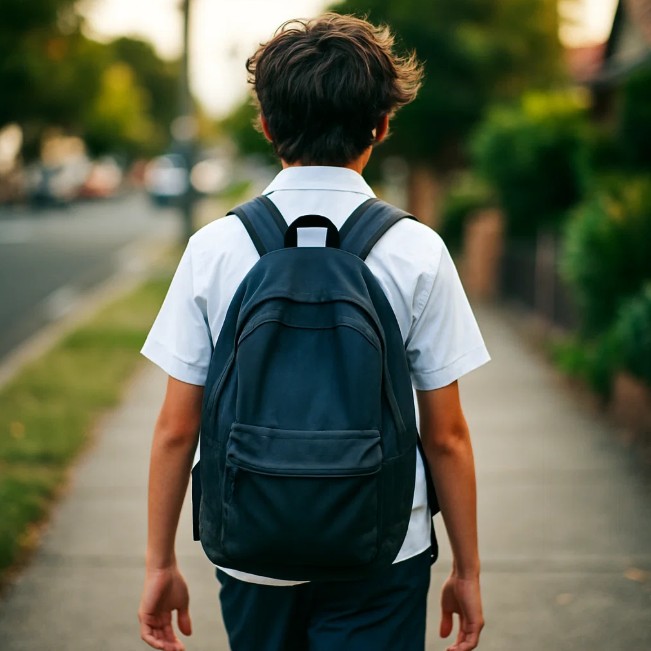
Australia’s youth have flagged the cost of living as their top concern for a second year running, ahead of mental health and the environment.
On Tuesday 4 November, the Reserve Bank of Australia (RBA) revealed that core inflation has risen to 3% and is projected to spike to a headline rate of 3.7% by mid-2026. Previous expectations were that inflation would fall to 2.5% by 2027, but the updated data shows this will no longer be achieved.
Mission Australia Youth Survey, which surveyed more than 17,000 young people aged 14 to 19, found that 64% see the cost of living as the top issue, followed by mental health (29%), climate change and the environment (27%) and housing and homelessness (25%).
Mission Australia CEO Sharon Callister said young people’s concern about the economy has climbed sharply; 31% of respondents in 2023 reported that it was a key concern; in 2024, 56% said it was and in 2025, 64% reported it was – the highest level since the question was first asked in 2010.
“It’s a record we never wanted to see broken,” she said. “Young people are telling us that the strain of rising prices and not having money for basic essentials is taking a toll on their mental health and their outlook on life.”
Concern about housing and homelessness is also trending in the wrong direction, with the proportion of young people nominating it as an issue of national concern doubling since 2022.
“One in four young people are worried about housing and homelessness, they are witnessing and experiencing it at higher levels than ever before,” Callister said. “Young people are watching their friends and family struggle to pay bills or afford stable housing, and it’s impacting them.”
The survey shows mental health continues to be both a major national issue and a personal concern for many young people, with two in five (39%) reporting stress related to their mental health and wellbeing.
Nearly one in five (19%) reported experiencing high levels of psychological distress in the weeks before the survey.
“Stress and anxiety are affecting young people’s education, work and daily lives,” Callister said. “It’s causing them to miss school, impacting their confidence and motivation. Young people want access to support and resources so they can get help before the issues escalate.”
The good news
Fortunately, several key wellbeing markers have improved since the 2023 and 2024 surveys, with fewer young people reporting loneliness or distress — and more feeling in control of their lives and optimistic about the future.
“We want our young people to know that we are listening and are grateful to them sharing a part of their lives with us,” Callister said. “Youth Survey highlights the complex realities facing young people across Australia.”
From economic pressures to mental health challenges and experiences of discrimination, young people are navigating a range of personal and societal issues, said Callister.
“Their responses reveal not only the difficulties they encounter, but also their aspirations, values and desire to shape a positive future,” she said. “We urge governments, schools, communities and families to reflect on these findings and to work in genuine partnership with young people.”
Callister said the challenge now is to turn those insights into meaningful change that young people can feel in their daily lives.
“By listening deeply and acting with purpose, we can build a future where every young person feels supported, included and empowered to reach their potential.”