
NCCE is the Pacific Northwest’s largest edtech event, now in its 34th year. Even if NCCE hasn’t been on your radar, it should be: the opening session inspires, the exhibition hall buzzes with innovation, and attendees are set for an ed-tech adventure from the start.
The vendor hall featured 80 vendors, including partners from the Pacific Northwest such as Recycle Boise, the Computer Science Teachers Association, and a K-12 school. It was an opportunity for attendees to meet vendors face-to-face and see what was new and exciting. The conference provided dedicated time during an “Exhibitor Blitz,” ensuring attendees did not miss any sessions.
Having attended many conferences, I noticed some special things in the vendor hall. Here are my top 10 vendor Hall finds:
NCCE slideshow below
Image 1 of 11
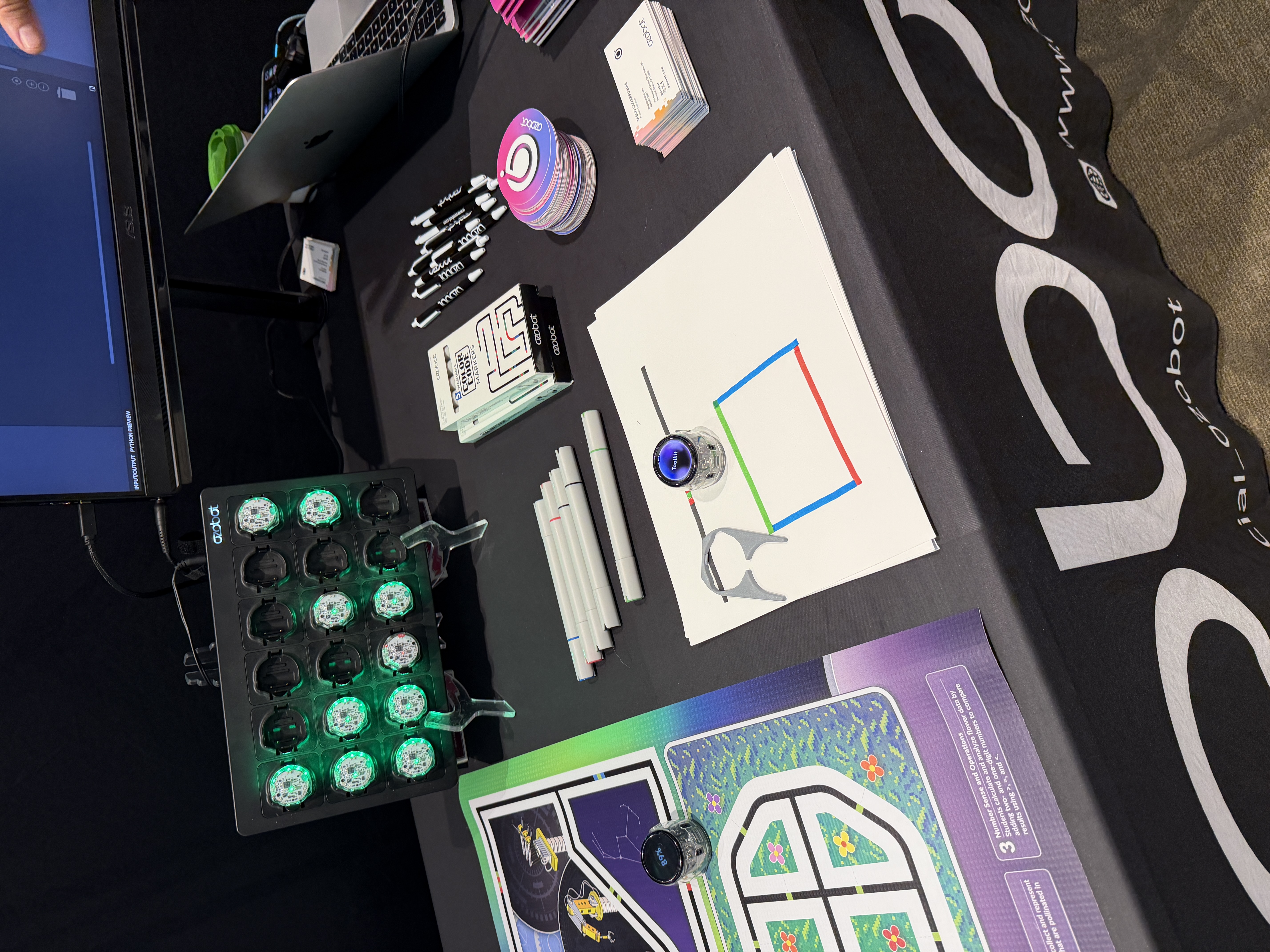
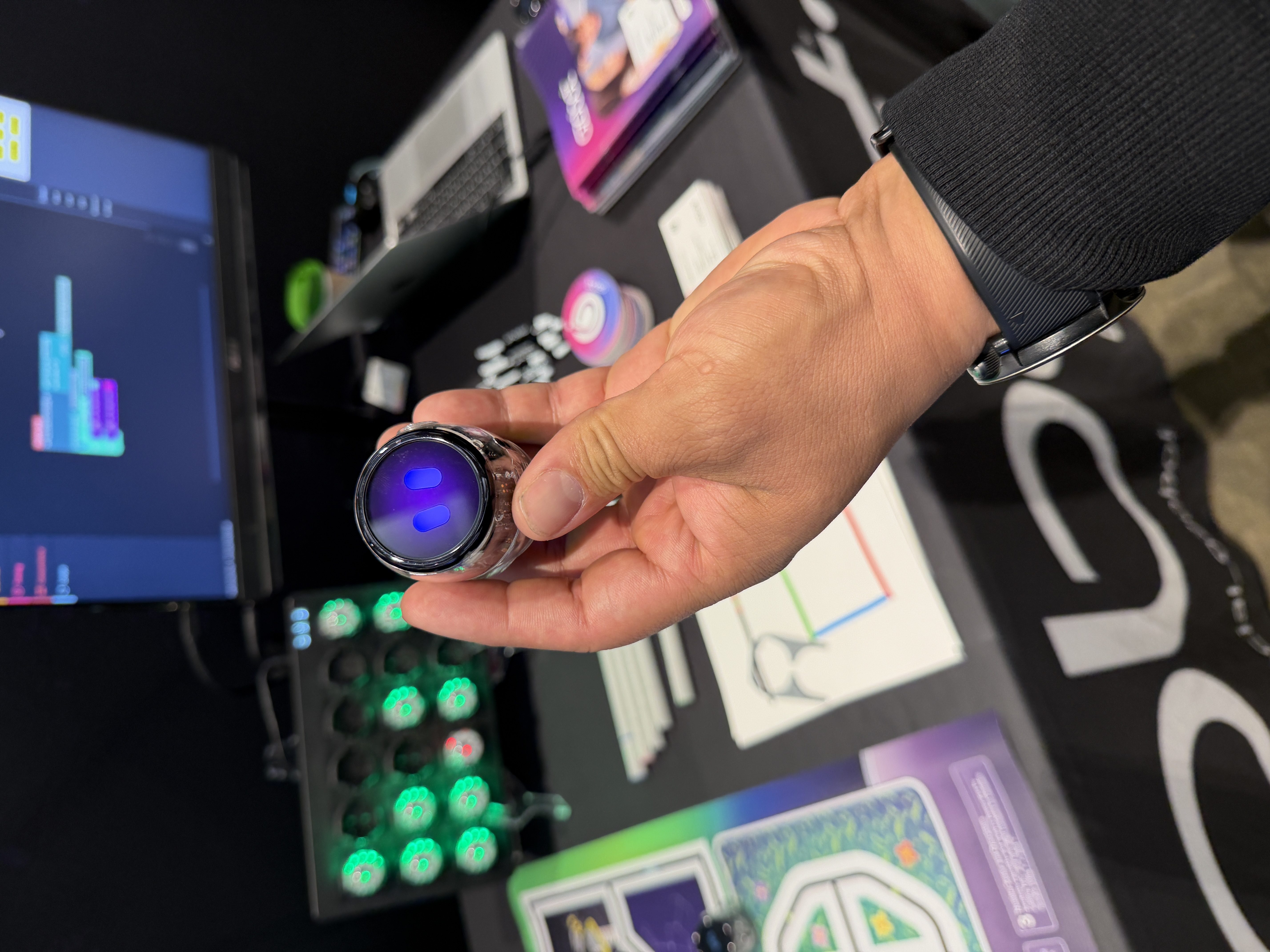
1. Ozobots are educational robots designed to teach basic coding through color coding, cards, and markers. This year, they have introduced new features to enhance their instructional capabilities. Ozobot Robotics’ latest product, Ari, now includes a touchscreen interface that allows students to input and execute their own code, in addition to reading color codes, offering a meaningful upgrade from previous Ozobot models.
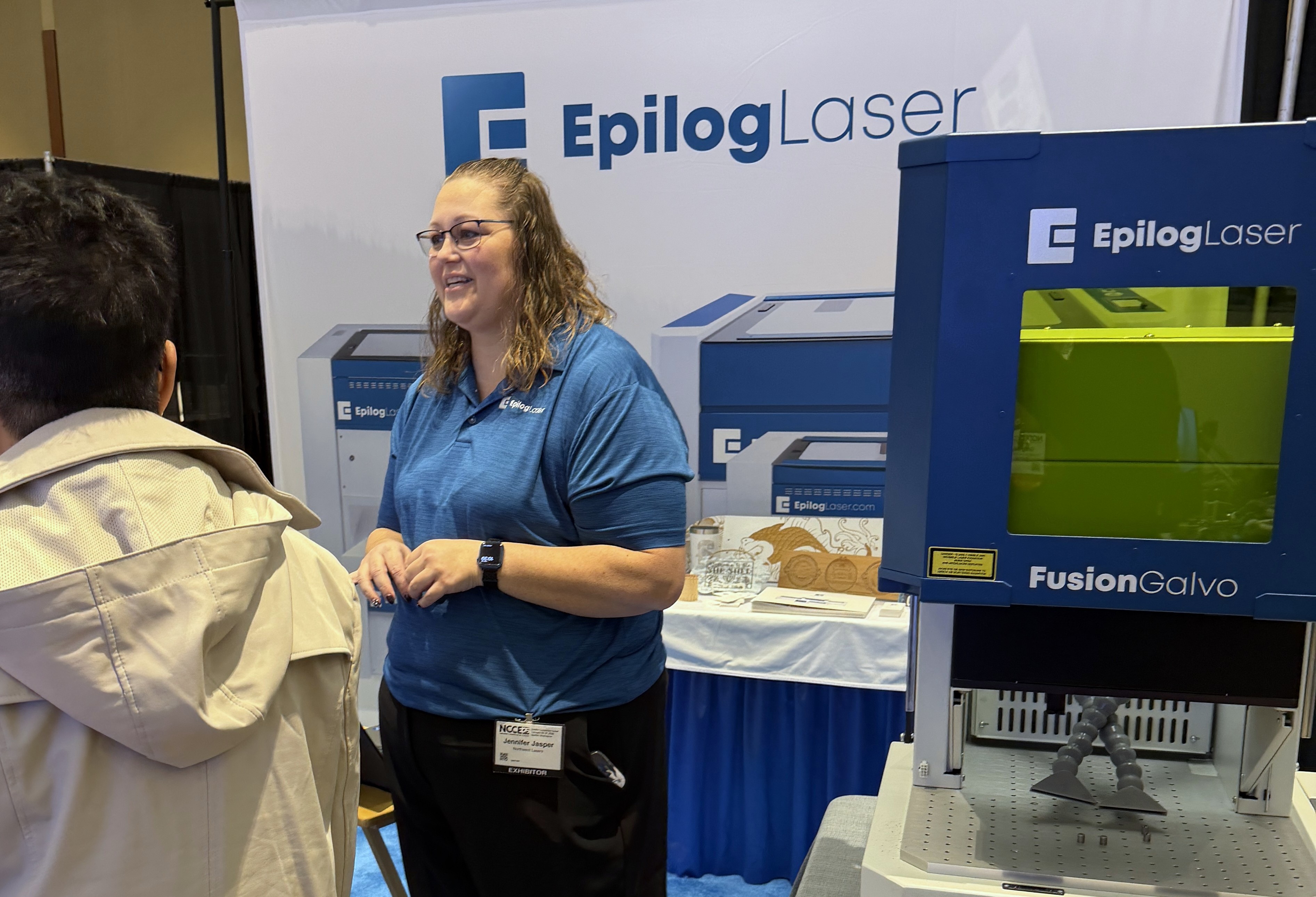
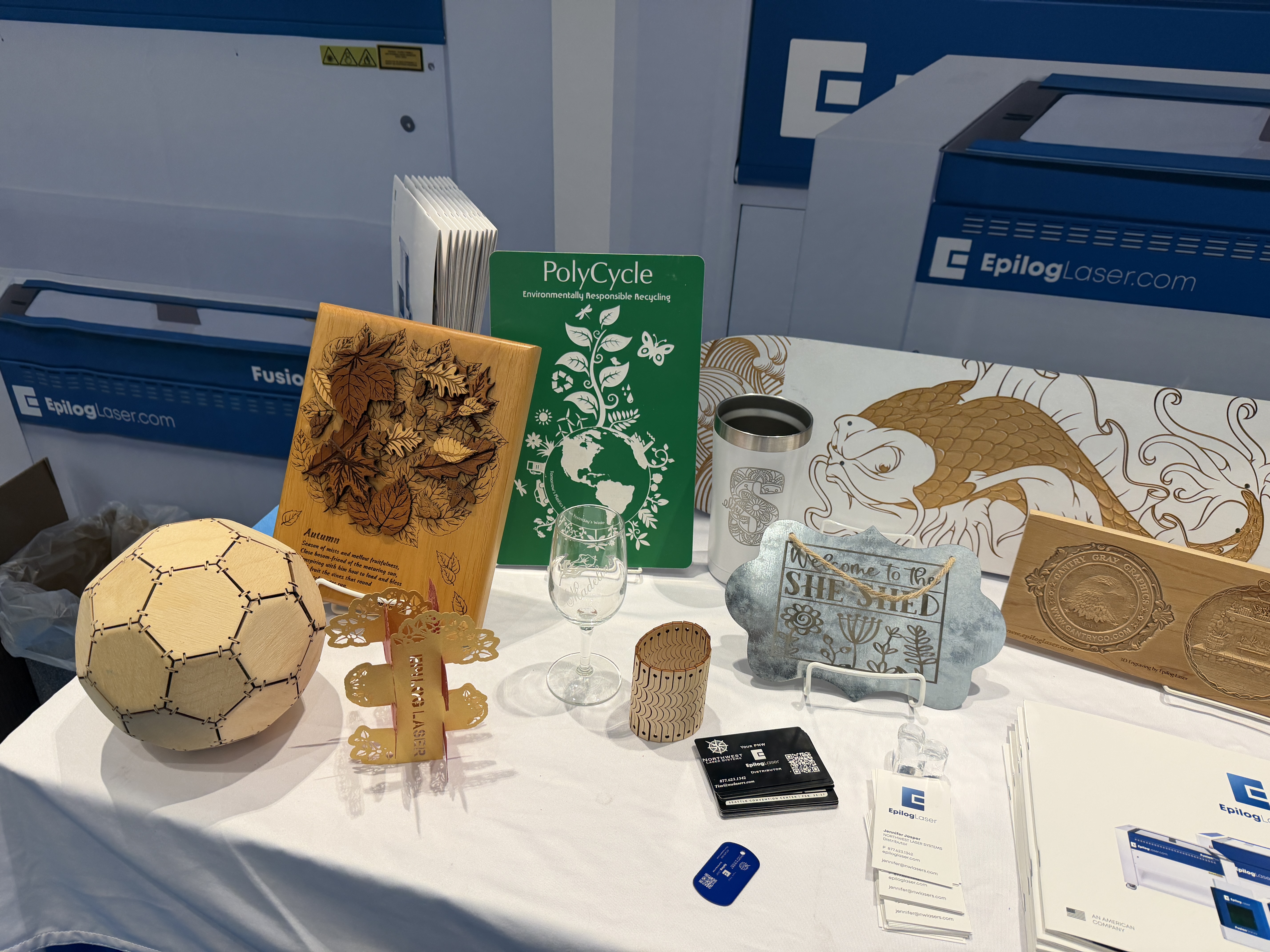
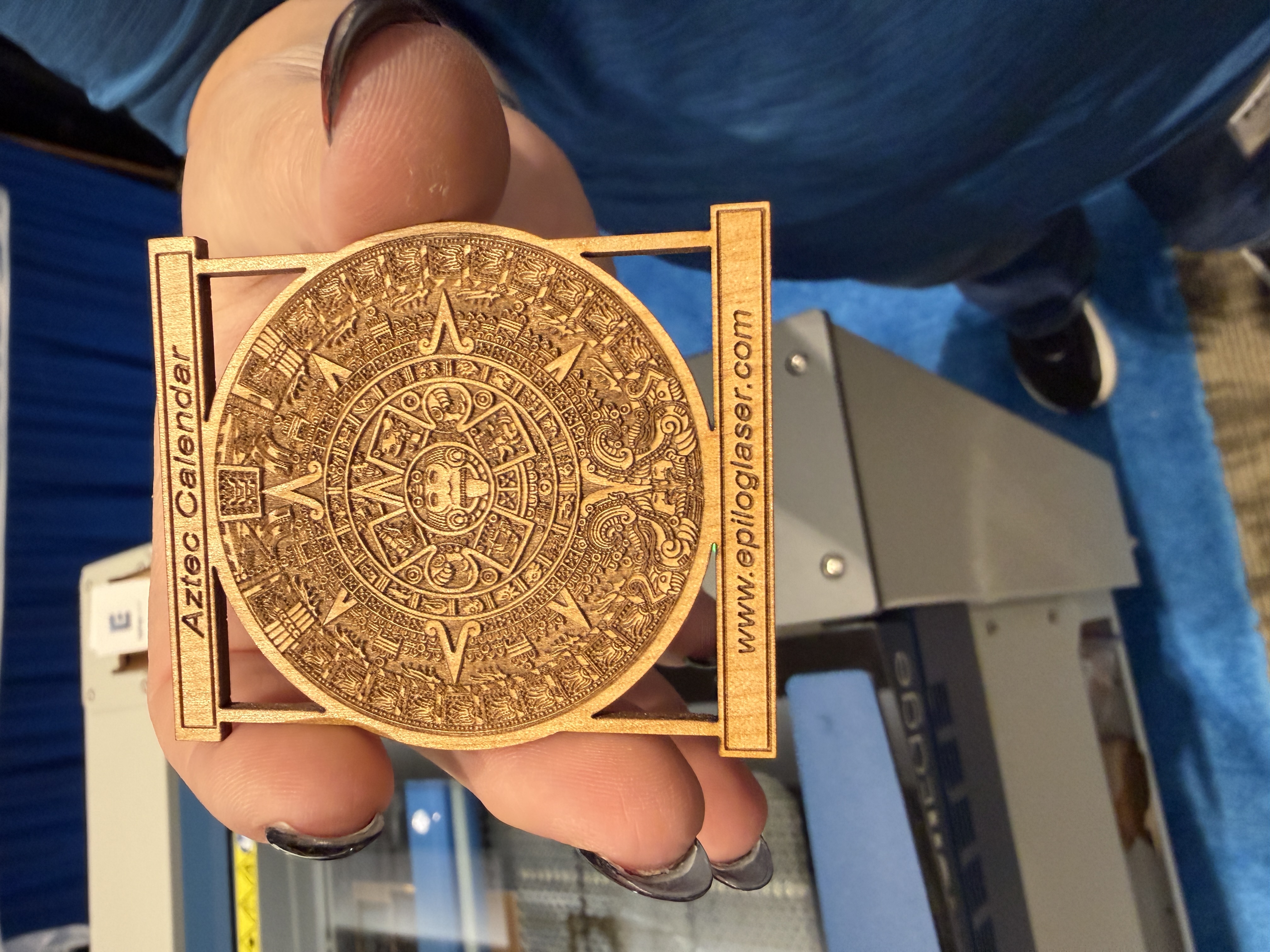
2. The Epilog Laser. Laser engravers have been on the market for some time, and many schools have adopted these into their maker spaces and fabrication labs. I saw something a little more special at the Epilog Laser booth. The Epilog Laser engraver was flat-out cool. It can engrave, cut, and mark at micro sizes I have never seen before, and it made me think about replacing all my laser engravers immediately. One can’t go wrong with their CO2 laser or fiber laser. Better yet, why not select their dual all-in-1 machine? I must try.
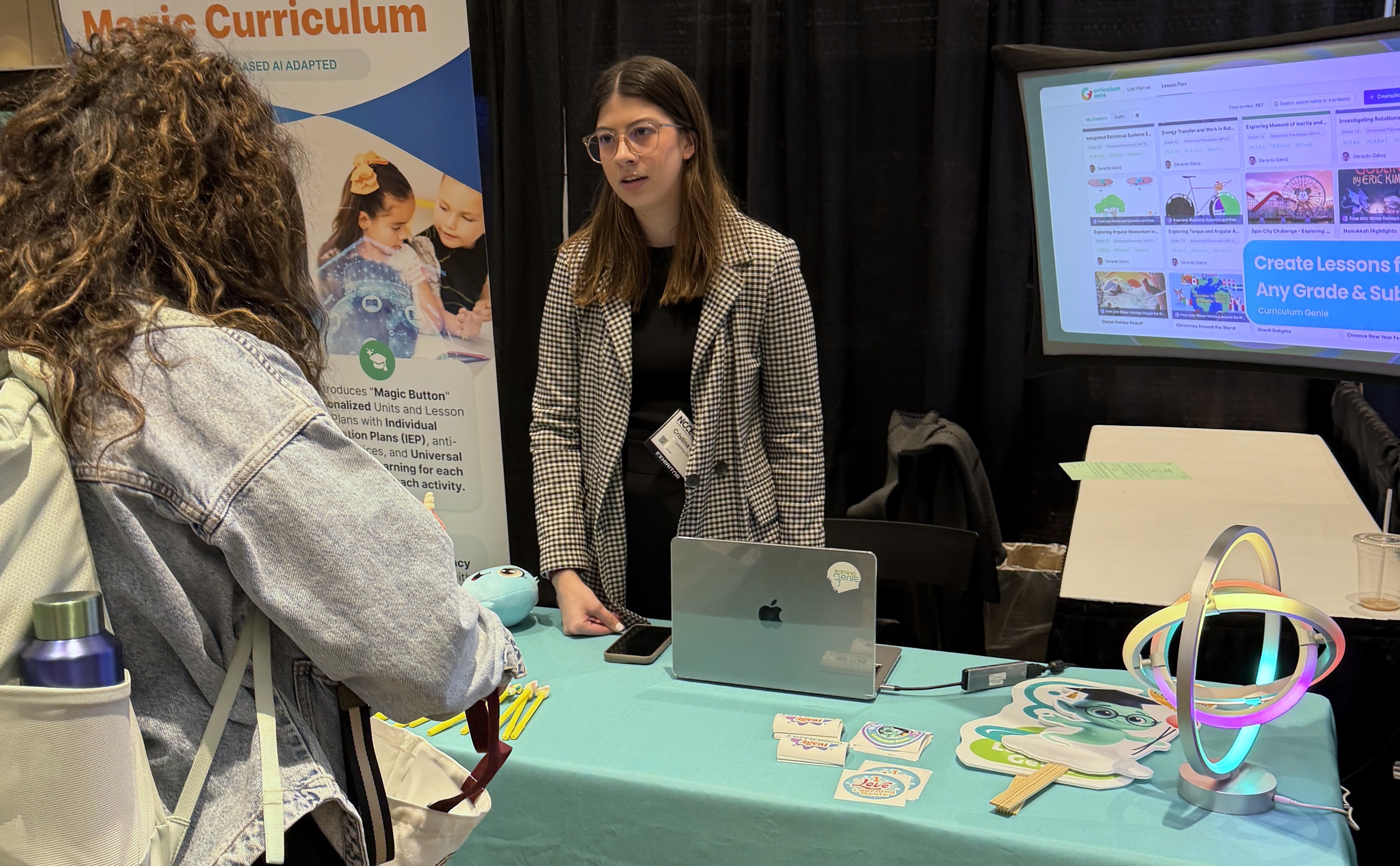
3. EduProtocols paired with Learning Genie is a solution for building instructional units. Together, these tools help teachers design detailed lesson plans that align with standards, high-quality instructional materials, and specific locations, with AI elements supporting the process.
4. MagicSchool.AI is an AI-driven educational platform widely used in classrooms for its versatile tools and award-winning performance. At NCCE, the team showcased the platform’s adaptability through demonstrations and user stories. They also highlighted its Pioneer program at NCCE, where users shared ways they customized MagicSchool’s tools to fit their classroom needs, demonstrating how the community helps maximize the platform’s effectiveness.
5. LightSpeed Technologies, which is a leader in educational audio enhancement, was at NCCE in a big way. They are sponsors at many conferences to assist in audio enhancements during presentations. What got them placed on my list was their Topcat Cascadia. It is an audio system that mounts the speaker in the ceiling and has a wearable microphone for the teacher. This microphone can connect to devices for classroom use, such as interactive displays and assistive listening devices, as well as emergency communication devices for active alerting, priority paging, and even two-way calling with location alert. This tool not only enhances audio but also provides some safety.
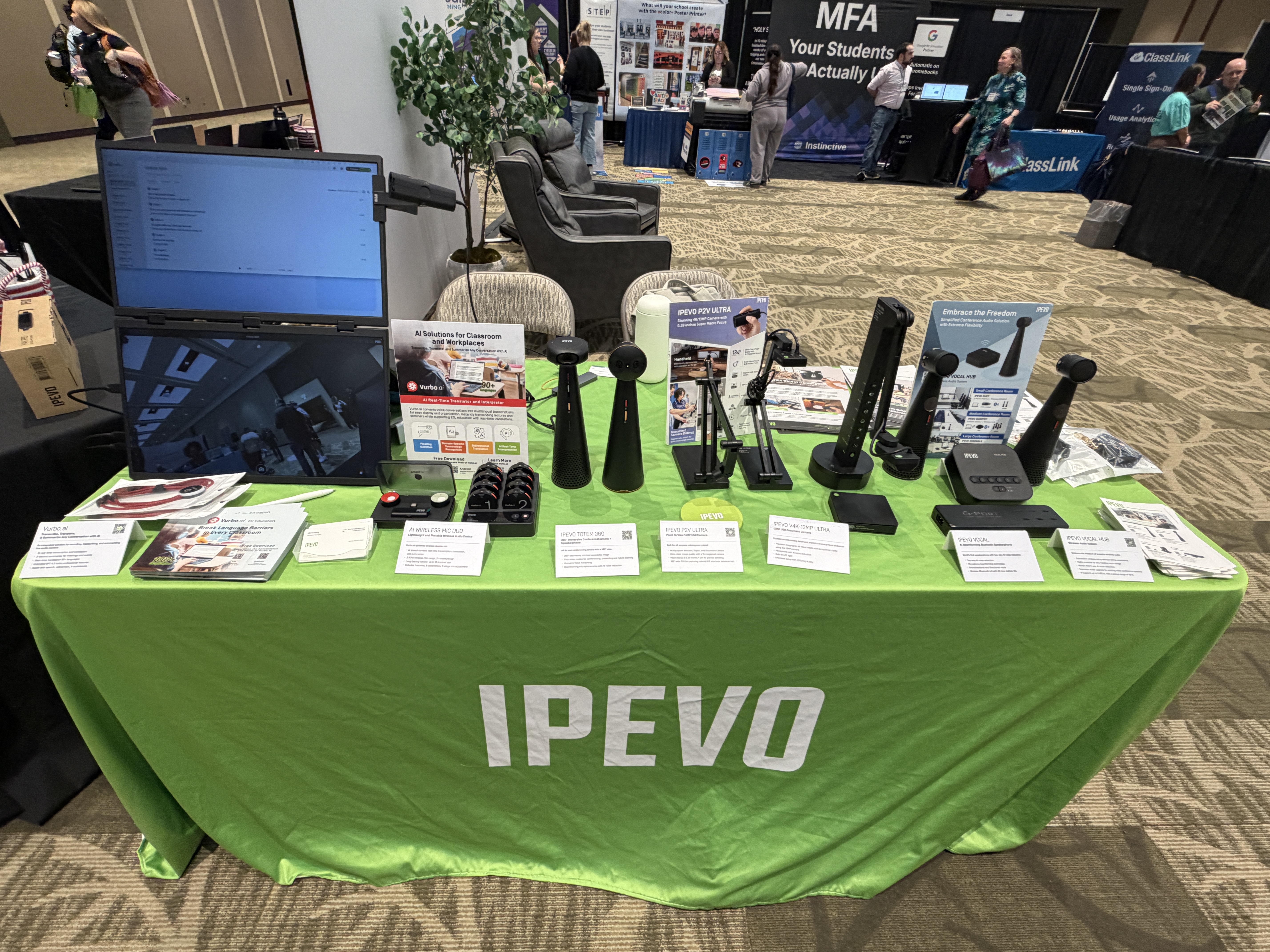
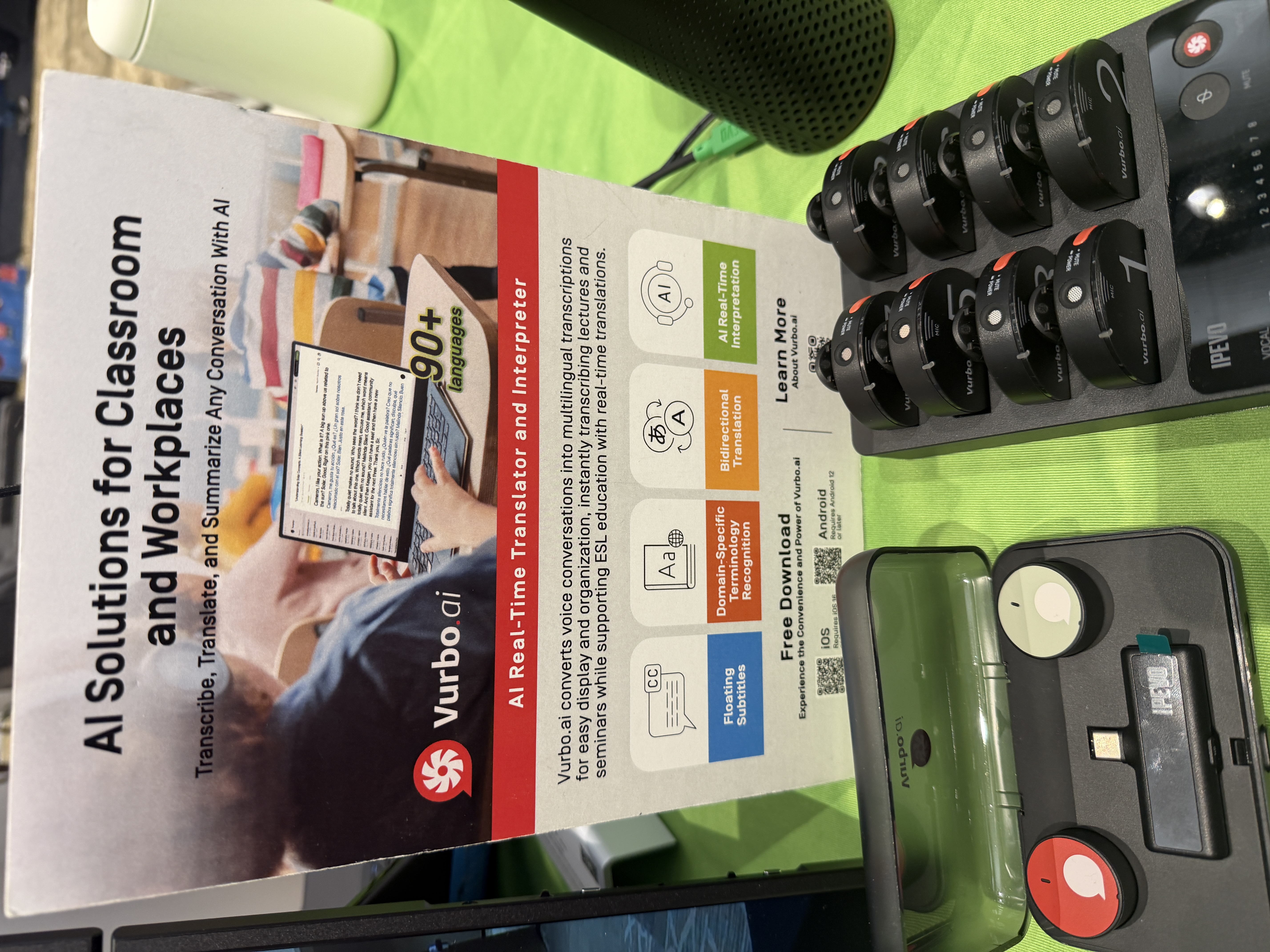
6. iPevo is a provider of classroom technology products, well-known for its document cameras. Over time, they have diversified their offerings to include additional educational tools. What I was most intrigued by at iPevo at NCCE was access to the audio tools. Their Vurbo.ai family had a little bit of everything. From AI-powered software that comes with each kit to a shared new personal mic for Vlogging. They have moved rapidly in this place to provide solutions for one-to-one audio recordings, to enhancements for virtual meetings.
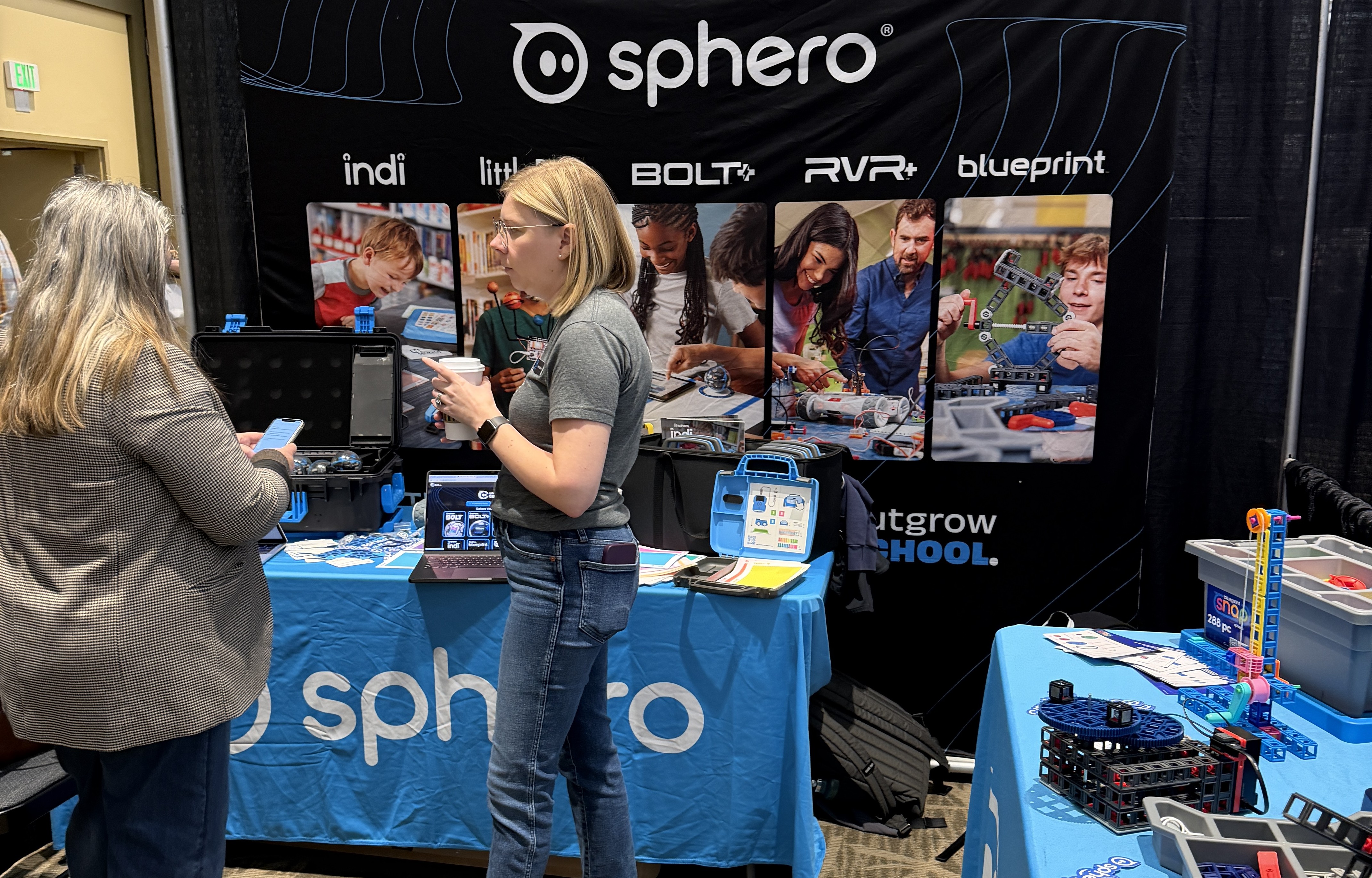
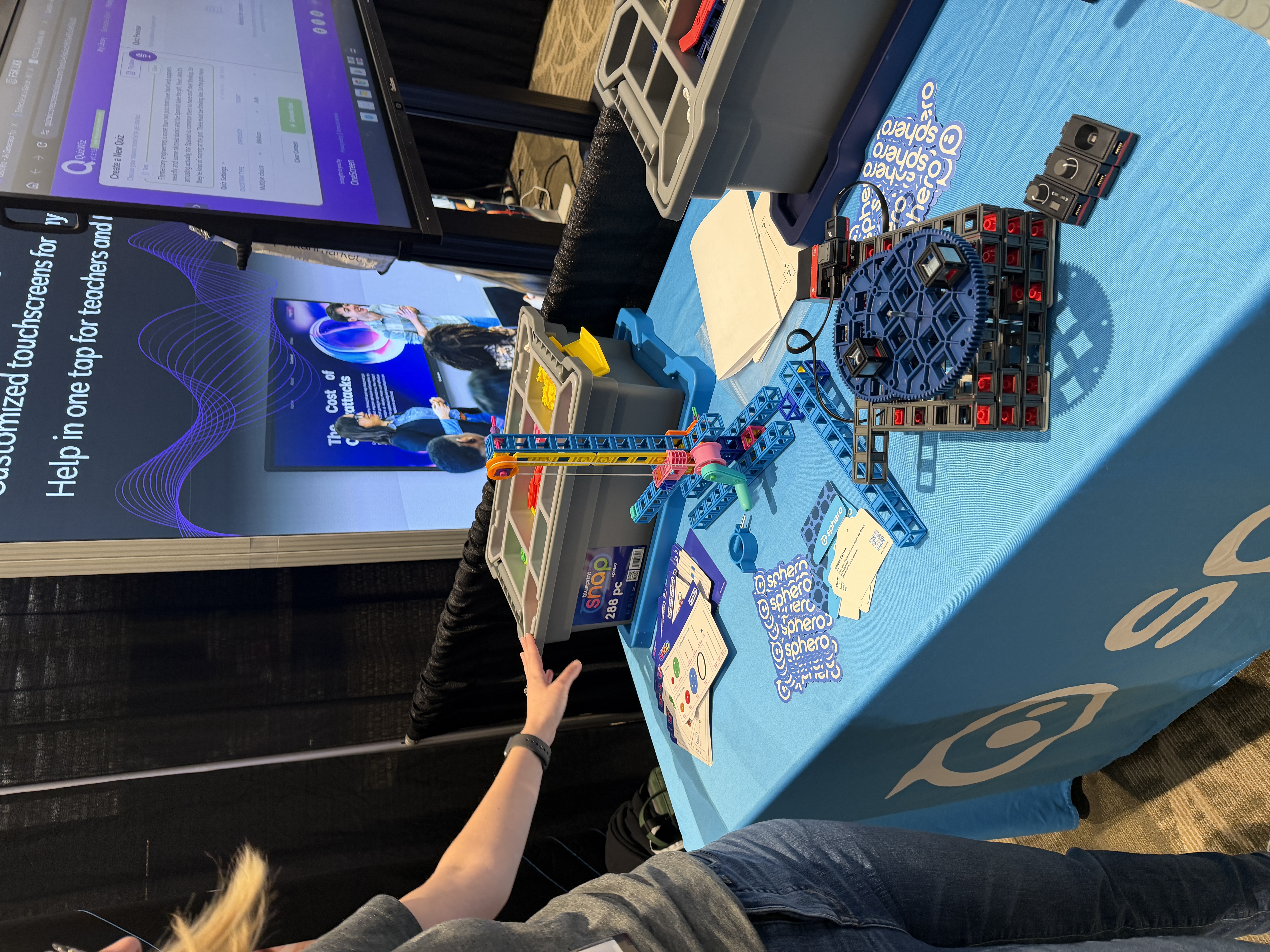
7. Sphero devices. Sphero bots first came on the scene with their codable, waterproof balls. Sphero bots have helped students learn more about STEM and coding principles in classrooms across the country. Sphero introduced other items, such as their Indi for early learning, a car-shaped, screenless robot that moves based on the color tile used. At NCCE, Sphero launched its Blueprint engineering kits. These kits, incorporating components from the acquired LittleBits, are designed to support engineering and maker education, expanding their range for classrooms and makerspaces.
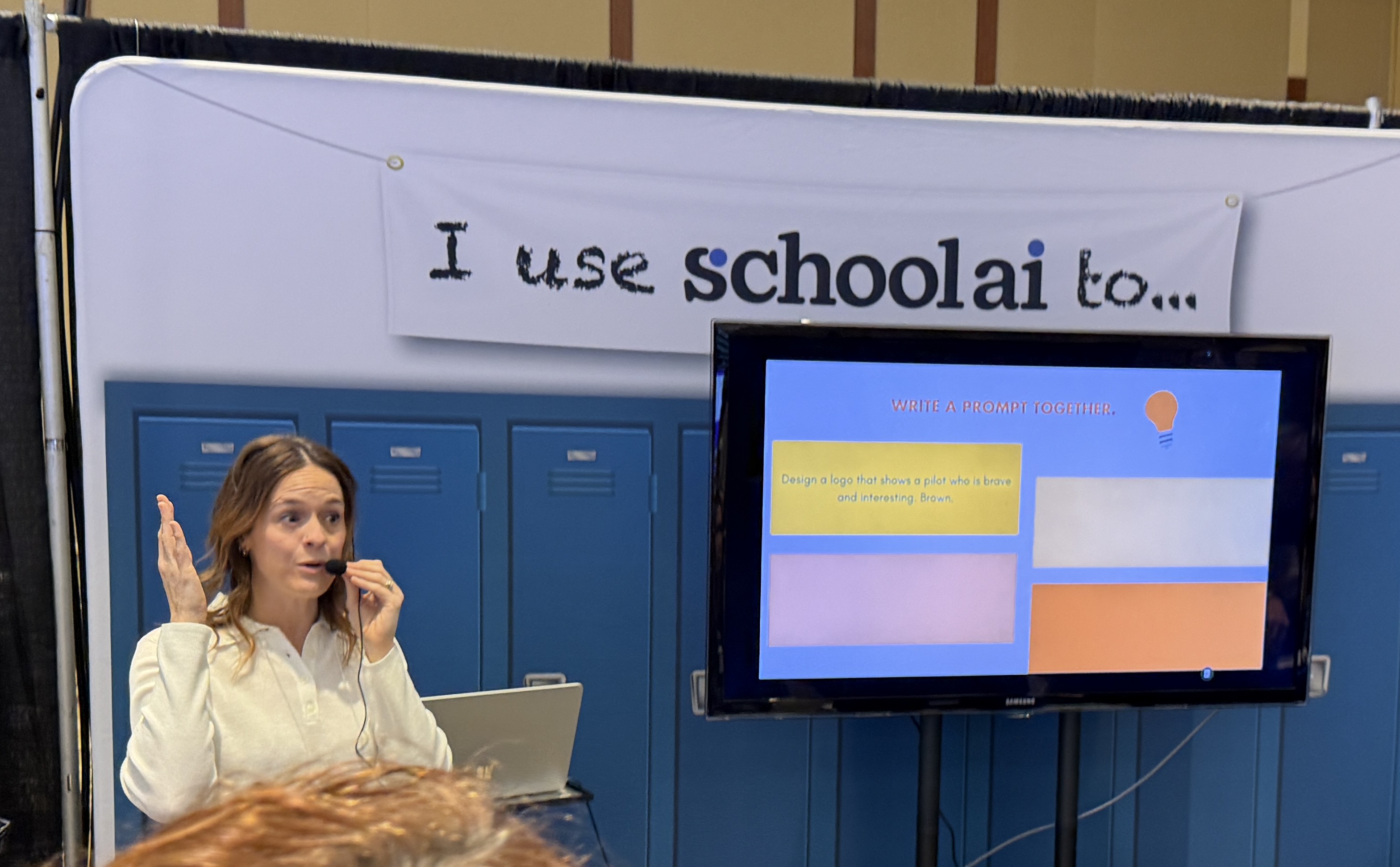
8. SchoolAI. Not to be outdone by competitors, SchoolAI had a booth featuring “Edu Stars” and held a session featuring “several nationally recognized experts and regional leaders who are shaping the future of AI.” As for the booth information, I was pleased and surprised by their browser extension. It allows for tasks such as chatting with pages, giving personalized writing feedback, and viewing a revision history. What I believe makes this tool powerful is the ability to create student spaces with SchoolAI. These spaces are teacher-monitored personalized AI environments that help engage, tutor, or reinforce the given lesson.
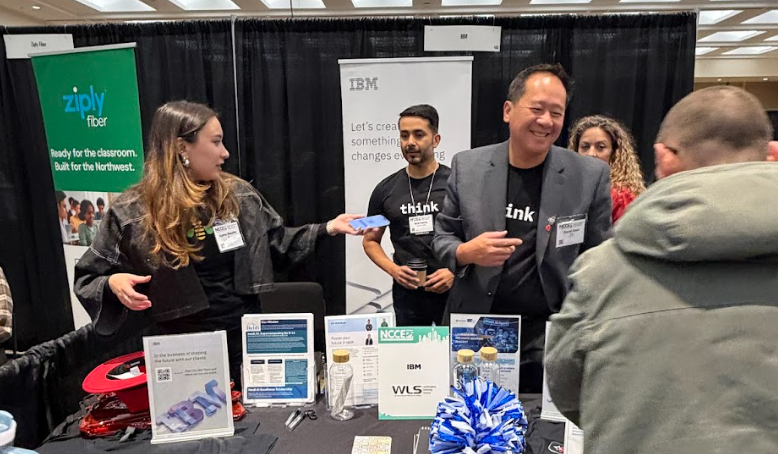
9. IBM. A long-standing technology leader, IBM has demonstrated its continued contributions to education by referencing its historic AI achievement with Watson and highlighting new advances. The show featured IBM SkillsBuild, a free educational platform for developing skills through project-based training and awarding credentials recognized by the industry. These skills include AI literacy and the ability to integrate AI into one’s learning ecosystem and classroom. It is a must for those motivated learners of all ages.
10. Micro K12. Micro K12 is a reseller that has been helping schools and districts with their devices for years. Not only do they offer a white-glove service for device deployment post-purchase, but they also have so much more. From network security to esports solutions, Micro K12 has you covered. One of Micro K12’s edtech conferences is notable in the industry, which bring together vendors and resellers and include presentations for IT directors and teachers, as well as E-Rate support and device repair services.