

Across Australia, school leaders are facing mounting scrutiny around governance, risk management and accreditation as duty-of-care expectations continue to rise. For many principals, the pressure is compounded by already stretched administrative teams struggling to keep pace with growing compliance demands.
From curriculum audits to teacher accreditation, schools must maintain clear, accurate records to satisfy regulators and reassure parents. Yet in many cases, these processes still rely on spreadsheets and manual systems. Education experts warn that such approaches can leave schools vulnerable to costly errors, inefficiencies and increasing scrutiny from governments and oversight bodies, at a time when accountability across the sector has never been higher.
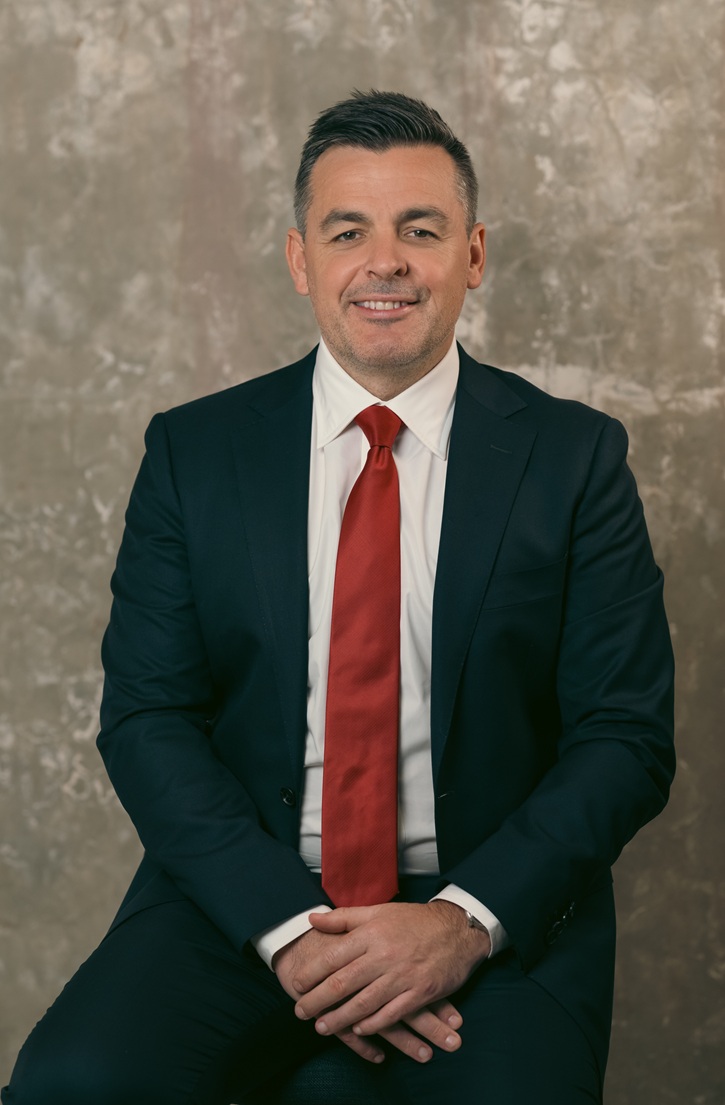
Seasoned technology entrepreneur Sam Riley is working closely with many education institutions, including Teachers Building Society, Catholic Schools Parramatta and Catholic Education Diocese of Bathurst. He is the co-founder and CEO of Drova, an AI-driven system designed to bring risk, compliance and governance together in one place. Previously, Riley led global SaaS company Ansarada, growing it from a startup into a market-leading provider of virtual data rooms used in major financial transactions including mergers, capital raisings and audits.
Below, The Educator speaks to Riley about how principals can ease the pressure of school governance, reduce time-consuming manual tasks, strengthen compliance, and harness AI to simplify teacher oversight and curriculum management.
TE: How can education institutions align governance with their mission: From risk and privacy to sustainability and accreditation?
For education institutions, governance and mission are inseparable. They carry risk across student welfare, privacy, reputation, finance, compliance and sustainability, and how that risk is managed shapes trust. The starting point should be simple: what are the business objectives the institution is trying to achieve? That creates focus on the risks that matter most, because no institution can prioritise everything equally. In practice, that means building compliance and accountability into everyday operations, with clear responsibilities and a shared understanding of how managing risk supports objectives. If the mission is better student outcomes, stronger duty of care or sustainable growth, governance should make that practical and achievable. That’s an objective-led culture.
TE: How are you helping organisations like Catholic Schools Parramatta Diocese become efficient and audit-ready?
At Drova, we are helping organisations like Catholic Schools Parramatta Diocese by making it easier to run good governance – and run good business – every day. That includes strengthening incident management, improving compliance alignment, and giving leaders clearer oversight of risk and accountability. Just as importantly, it means creating a more efficient and consistent way to capture evidence and maintain audit trails, so already-busy teams are ready to demonstrate what is being managed, what is improving, and where responsibility sits. The outcome is greater efficiency, stronger assurance, and confident audits, reviews or accreditations.
TE: In the context of streamlining teacher and curriculum management, why do education institutions need to ramp up their AI implementation?
Education institutions need to ramp up AI because it offers a real chance to create a better working environment for teachers and a safer, more accountable one for students. If the objective is stronger duty of care, better compliance and less admin, AI can help make that possible. It can take repetitive governance work off people, reduce forms, surface risks earlier and help leaders stay on top of obligations without adding more pressure. That is the opportunity: less time lost to process, more confidence in what is being managed, and more energy directed to learning, care and outcomes.
TE: What are some manual processes that need to be left behind in education in 2026 and how do they put institutions and teachers at risk?
If education leaders leave behind paper incident forms, spreadsheet trackers, email approval chains, version-confused policy documents, and staff chasing evidence across folders before an audit, they’ll not only save time but they’ll also create a school system that feels calmer, clearer and much easier to lead. Teachers spend less time buried in admin, leaders get better visibility, and everyone has more confidence in what is being managed and what needs attention. The bigger win is cultural. Instead of relying on memory, goodwill and last-minute effort, the institution can run with more consistency, accountability and trust.