

Reports show that Australia is facing one of the world’s worst teacher shortages, with the burden falling hardest on disadvantaged and regional schools.
The latest OECD TALIS data shows 42% of Australian lower secondary principals say shortages are hurting teaching quality – nearly double the OECD average (23%) and up from 14% in 2018. The most glaring gaps are in regional schools (63%) and disadvantaged schools (67%), where staffing pressures are now at crisis point.
One organisation that has set its sights on tackling this issue head on is Teach For Australia (TFA). Founded in 2009, the not-for-profit has been helping to bridge the divide in educational inequity by recruiting and developing teachers and leaders for schools with the greatest need. Since inception, it has placed almost 2,000 teachers into disadvantaged communities.
In 2010, TFA launched the Leadership Development Program (LDP), a two-year employment-based pathway into teaching, making it an attractive option for career-changers and individuals from other professional backgrounds.
At the start of the 2026 school year, the LDP has seen 148 new educators start their teaching career in low-SES schools where shortages are most concentrated.
More than half of the 2026 cohort (52%) are mid-career professionals who graduated more than five years ago, reflecting a growing pipeline of career changers moving into teaching. Participants bring experience from industries including business, science, engineering, mining, health and the creative arts.
Early connection sets the tone for success
Asked what helps TFA participants hit the ground running, Dohle pointed to the power of strong early connections and clear, structured support.
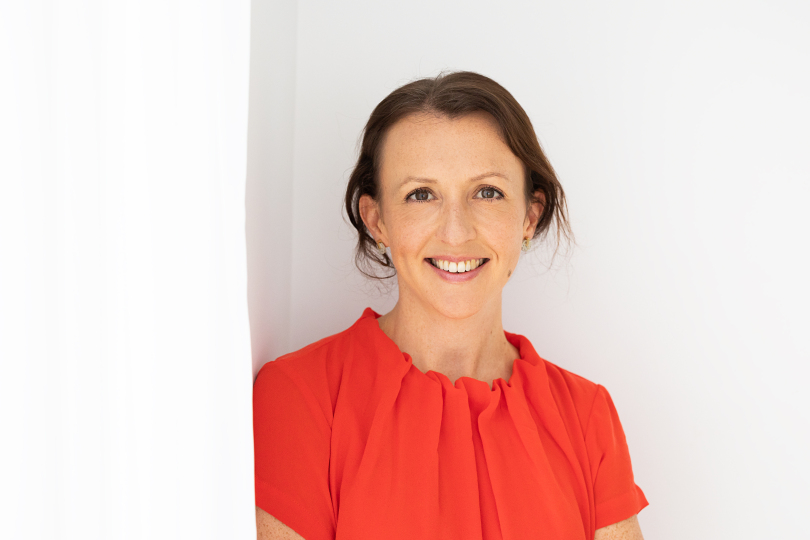
“What we consistently see over the 16 years of Teach For Australia is that participants thrive when they feel part of the school community from the moment they arrive,” Teach For Australia Chief Executive Officer Edwina Dohle told The Educator.
“Strong relationships with their mentor teacher and leadership team make an enormous difference, particularly in those first few weeks when everything is new.”
Dohle said Principals who are intentional about onboarding – introducing participants to staff, creating regular check-ins and setting clear expectations – help build confidence early.
“Teach For Australia Associates bring strong subject expertise and real-world experience, so the schools where they succeed fastest are those that provide structured support, clear guidance and opportunities to contribute from day one.”
A strong ripple effect on learning and expectations
Beyond plugging gaps, the LDP is also meaningfully changing what’s happening in classrooms in 2026, Dohle said.
“The Leadership Development Program is about far more than filling vacancies; it’s about strengthening teaching practice and expanding what students believe is possible for their futures,” she said. “In 2026, we’re seeing participants bring deep subject knowledge alongside real-world experience that makes learning more relevant and engaging.”
Dohle said early feedback from schools is that students are more motivated when lessons connect to practical applications.
“Participants are also stepping up as emerging leaders, contributing positively to staff culture and supporting school improvement. Over time, this helps lift student outcomes and expectations across schools.”
Small wins building real teaching confidence
Maddy Russo, a new STEM teacher, is just one strong example of the growing pipeline of professionals choosing education as a second career to teach young Australians.
Russo relocated from Melbourne to teach maths at Cobram Secondary College in regional Victoria after previously studying and working in the engineering field.
“I tried not to have too many expectations, and I have a lot of teachers in my family and people I know who are teachers, so I got some really good advice,” she said.
“One of the things that surprised me is the hesitancy towards maths and science among young people nowadays. You’re not just battling against the difficulty of the subject itself, because maths and science aren’t easy, but against this perception.”
When asked at what point she felt like she’d really ‘clicked’ as a teacher Russo said it feels more like baby steps and moving forward, which is just as satisfying.
“I feel like things are slowly making more sense for me and for the students,” she said. “Things like building relationships with students in the classroom doesn’t happen overnight – it happens over the course of the term and the year, so that’s what is building.”