

By Andre Casson
As the current Headmaster of Brisbane Boys’ College and a former physics teacher, I’ve long been inspired by the wisdom of Albert Einstein.
The renowned physicist once said: “In the middle of difficulty lies opportunity.” This is a sentiment I’ve often thought about in the context of how to educate gentlemen of honour.
Much has been made of the influence of social media and the concept of ‘toxic masculinity’ over the past few years.
Surrounded by these negative headlines, educators and schools have been presented with a unique opportunity. Difficult conversations, once considered taboo in the classroom, can now be used to help mould the next generation of global citizens.
We have an opportunity to re-frame the discussion around ‘toxic masculinity’ and explore what a more positive version of masculinity looks like.
Having been an educator for more than three decades and now the parent of a teenage boy myself, I believe the first step towards fostering a more positive version of masculinity starts by getting young men talking.
At Brisbane Boys’ College, we have made it our mission to get students openly talking about topics like consent and respectful relationships by implementing the Keeping Safe: Child Protection Curriculum. We have, in fact, made it mandatory across all year levels from Prep to Year 12. The content is age-appropriate, with developmentally sequenced workshops unfolding as the student grows in maturity and understanding.
Following extensive research, our Deputy Headmaster, Scott Murphy, discovered this framework was one of the most effective ways to teach young boys how to stay safe both online and in real life situations. Significantly, it affords our students the opportunity to recognise the signs of inappropriate relationships.
I’m grateful Mr Murphy did, because as one of just two Queensland schools to have implemented the curriculum, I have seen first-hand how it drives healthier conversations around safety, consent, and respect.
In the classroom, we are facilitating evidence-based conversations around the kinds of issues our young men face every day and, more importantly, giving them the toolkit to try and navigate those issues.
We know the curriculum is not a panacea.
Despite the federal government’s social media ban, young boys are exposed to a range of serious topics and complex situations at much earlier stages of their development than previous generations.
However, if we are genuinely serious about fostering a more positive version of masculinity, we need to counter some of the more undesirable influences students encounter in the online realm every day. To do this, we need to engage students in conversations around consent and respect and how to spot the signs of a coercive relationship.
The challenge of navigating the online world is ongoing and ever-present. As parents, the harsh reality is that we aren’t always aware of the messages our children are receiving. That’s what makes presenting a counterpoint to some of the negativity we find online so important.
If we want to foster a more positive version of masculinity, we need to show our young men what it takes to be a good man – or as we declare them at BBC, ‘gentlemen of honour’. That’s something I’m deeply passionate about, because being a good man not only means you can be a great brother, a great husband, and a great father – it also ensures you are playing your part in making the world a better place. It shows that you are seeking to be an example to your mates and other men.
Our school was founded on a simple principle: to create these gentlemen of honour. We treat the responsibility of creating better men with the utmost seriousness. Part of that responsibility is being able to have difficult conversations.
Aligning our parents and teachers with a common goal, allows us to achieve so much more together.
It starts by getting young men talking – something our investment in the Keeping Safe curriculum has allowed the young men of Brisbane Boys’ College to do.
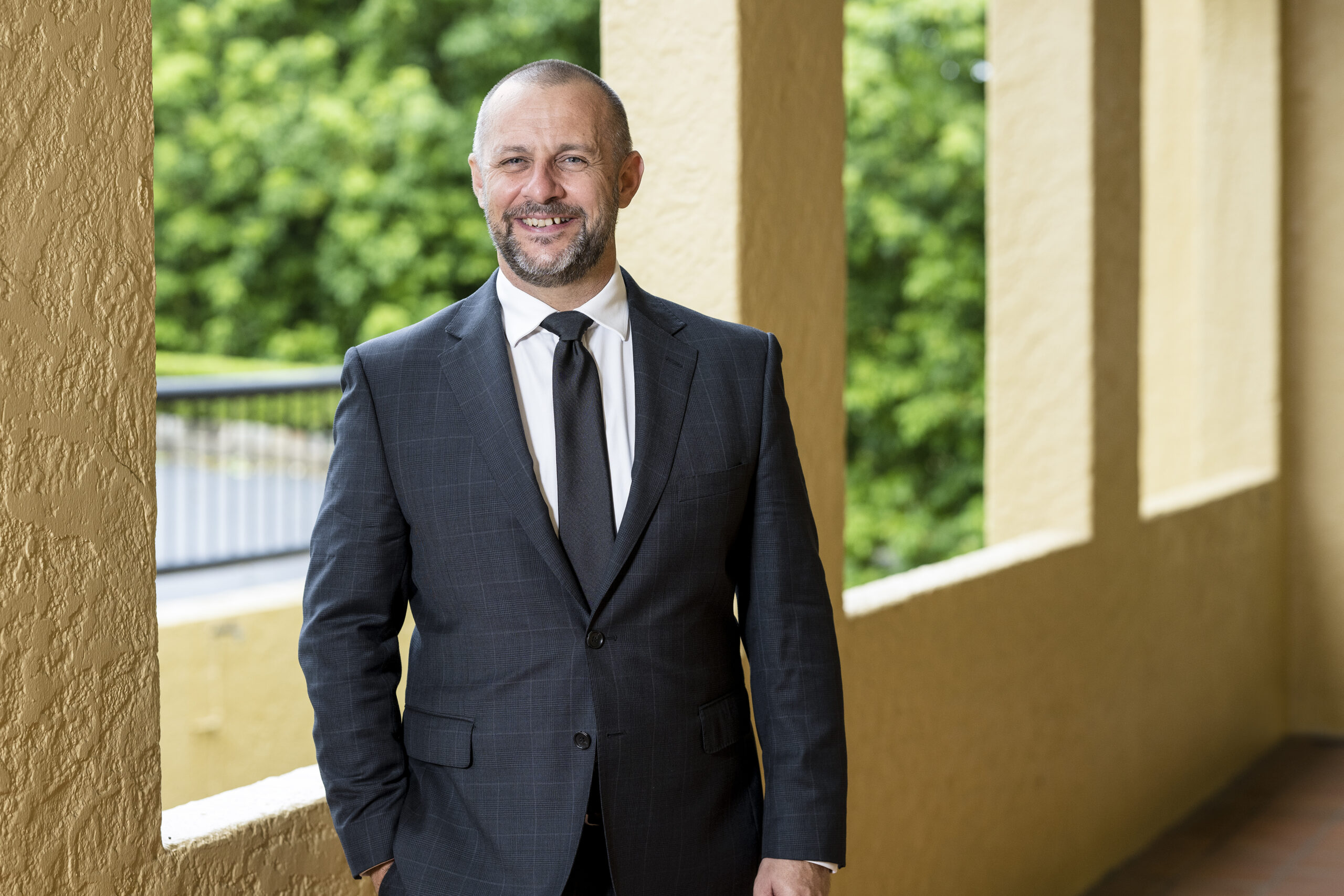
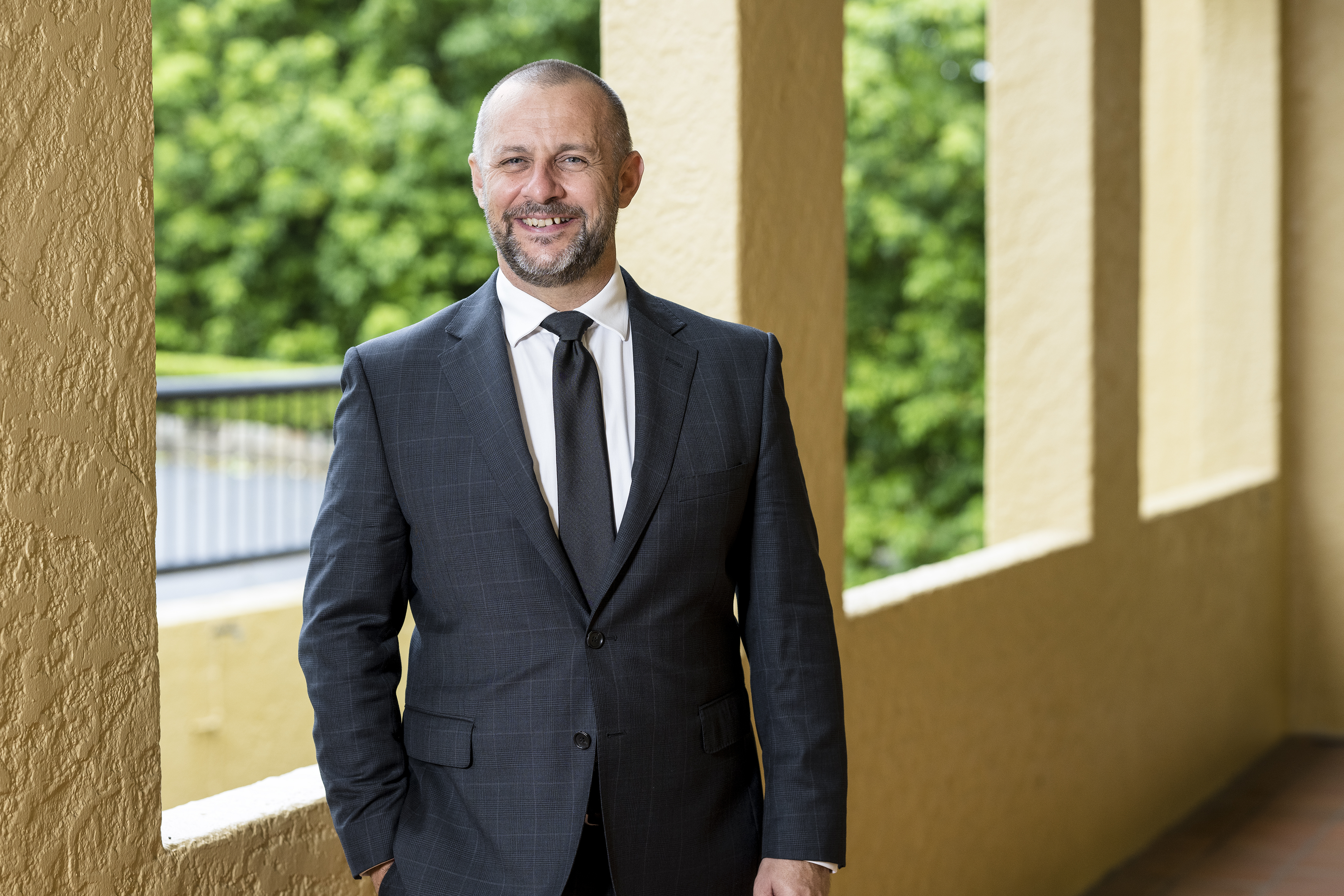
Andre Casson is Headmaster of Brisbane Boys’ College.