

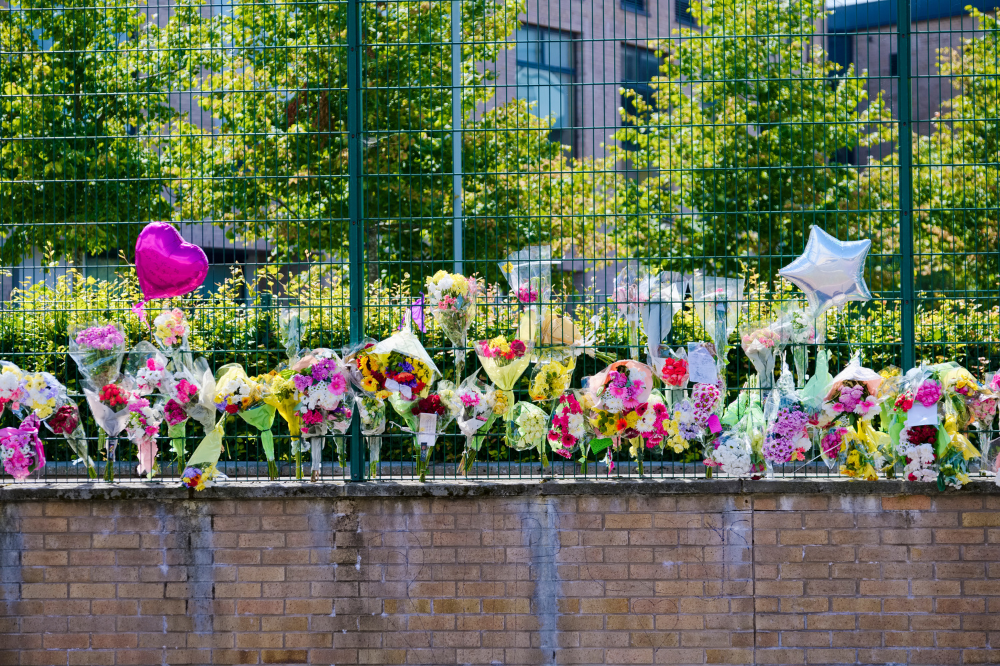
Parents across Australia faced difficult conversations with their children following the Bondi shootings, when two men opened fire at a Jewish religious celebration at Bondi Beach in Sydney. At least 15 people were killed and more were injured in the attack.
Professor Vanessa Cobham, a clinical psychologist and researcher at the University of Queensland who specialises in children, anxiety, and post-traumatic stress, said parents should respond truthfully when children ask questions about tragic events.
“There is a lot of information and misinformation swirling around. Kids need to feel like they can trust what parents are saying to them,” Cobham said.
Age-appropriate responses
The level of detail shared should match a child’s developmental stage. For preschool and early primary school children, Cobham recommended simple explanations that acknowledge what happened without overwhelming them with detail. Primary school children can handle more information about the event, while high school students can process additional context, including political debates about gun control.
Cobham emphasised the importance of understanding what children already know before providing information.
“It’s also possible kids will have ideas in their heads about what happened that are even worse than the reality,” she said.
Managing media exposure
Families should be cautious about news consumption, particularly with younger children. Cobham warned against leaving news coverage on a continuous loop.
“For younger children, if they keep seeing the footage, they may think this is happening in real time and happening repeatedly,” she said.
She recommended parents ensure children understand the shooting has ended and, where appropriate, explain where it occurred in relation to their home.
Focusing on helpers
Cobham encouraged parents to highlight the positive responses to the tragedy.
“Encourage your kids to think about the many helpful and brave things people did and continue to do around this tragedy. Police, paramedics, doctors, nurses, and bystanders all stepped in and did incredible things to help,” she said.
Providing context
Children may worry about their own safety following such events. Cobham suggested parents acknowledge that dangerous things sometimes happen while emphasising that the world is not always dangerous.
“Part of the reason we are all so devastated is it’s an incredibly unusual event. This is not something that happens every week or even every year,” she said.
Parents can also model constructive responses by finding ways to help, such as checking in with Jewish friends or donating blood. Cobham said this demonstrates unity in the face of hatred and divisiveness.