

While school leaders in 2026 are navigating no shortage of competing priorities, one thing remains non-negotiable: the wellbeing of the young people in their care.
A growing body of research shows that feeling disconnected from the school community raises the risk of common mental disorders like depression and anxiety by 2.5 times. Sometimes, these disorders can have tragic consequences. According to the World Health Organisation, suicide is now the third leading cause of death for young people aged 15 to 29-years-old globally.
Data like this has motivated education departments, service providers and researchers to double down on efforts to strengthen students’ sense of belonging at school. Nowhere is this more important than in regional and remote communities, where young people feel most isolated.
A new research study offers some valuable insights into the powerful role that community music education programs (CMEPs) can play when it comes to improving the mental health of young people in regional and remote communities.
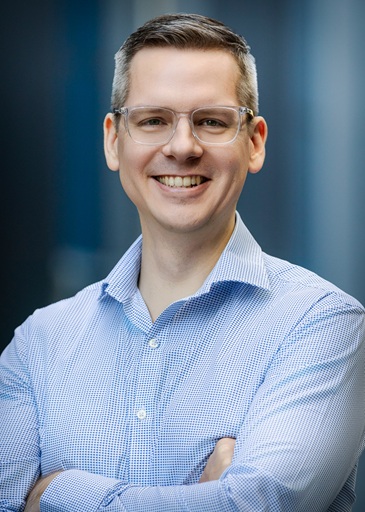
Dr Jason Goopy, Senior Lecturer in Music Education in the School of Education at Edith Cowan University (ECU), said these programs can provide non-medical, cost-effective, and community-based opportunities to reach out to young people who are struggling and to promote wellbeing and healthy living.
“Community music education programs are increasingly recognised as an empowering environment for participants to learn healthy life strategies in addition to music,” Dr Goopy said.
“Through the lens of self-determination theory (SDT), we investigated how these programs satisfied psychological needs and enhanced the wellbeing of adolescents and young adults experiencing challenging life circumstances.”
The CMEP delivered free after-school programs using music – particularly songwriting – as a tool to engage young people in life education, with no prior experience required. Its impact was explored through session observations and interviews with participants and facilitators.
“We found learning music in community settings guided by belonging, learning, and empowerment promoted young people’s wellbeing,” Dr Goopy explained.
The study found that a sense of belonging was achieved by a positive, family-like environment promoting no judgment, connection, and inclusion. Meanwhile, facilitator role models provided informal music and formal life learning activities, empowering students to take control and were instilled with a sense of accomplishment and purpose.
“What we found is that CMEPs can satisfy young people’s relatedness, competency, and autonomy psychological needs, which are essential for human flourishing,” Dr Goopy said, adding that the model challenges traditional school music pathways focused on careers.
“By removing entry barriers and combining music and life learning, all youth can have opportunities to feel good and live well using music,” Dr Goopy said.
The program also emphasised the need for the co-construction of highly personalised music and life goals with the guidance of teacher-facilitator role models.
“Learning music in community settings can be a powerful life-wide and lifelong wellbeing strategy to improve the collective futures of young Australians.”