

Most Likely Machine is the teaching solution to a very real and modern gap in learning, around how algorithms work and the ethical ramifications.
As algorithms become more prevalent in more areas of our lives, it becomes ever more important to understand these key decision-making automations.
Critical to the learning here is how these systems can lead to bias and the importance of ethical design when writing algorithms. This is especially so in the age of AI when the complexities coming from a single coding decision can reach very far indeed.
Artefact, the design firm behind Most Likely Machine, has built this free multi award-winning learning service as a fun and gamified way to help 10-14-year-olds understand just how algorithms work. This should help them see more clearly in an age of automated feeds and decision-making search results.
This guide aims to explain all you need to know about Most Likely Machine in your class.
What is Most Likely Machine?

Most Likely Machine is a free teaching tool designed to help educate 10-14 year-olds about algorithms. This is not only about how these are made and used, but also the effects that these can have in our daily lives. That should help empower young people to make more balanced decisions in the future.
Using a game-style environment, students are able to build their own algorithms to observe consequences and reflect on the social impact of automated decision-making.
So while some tools focus on algorithm-writing specifically, this is more about conceptual understanding — how data is weighted, how choices shape outcomes, and why no algorithm is ever truly neutral.
The Fast Company’s Innovation by Design Award and the Core77 Interaction Award have both been given to this tool. The project has been piloted in real classrooms with strong engagement from both teachers and students.
How does Most Likely Machine work?
Most Likely Machine is browser-based, so it’s super easy to access from nearly any device — allowing you to work on this as a class or individually.
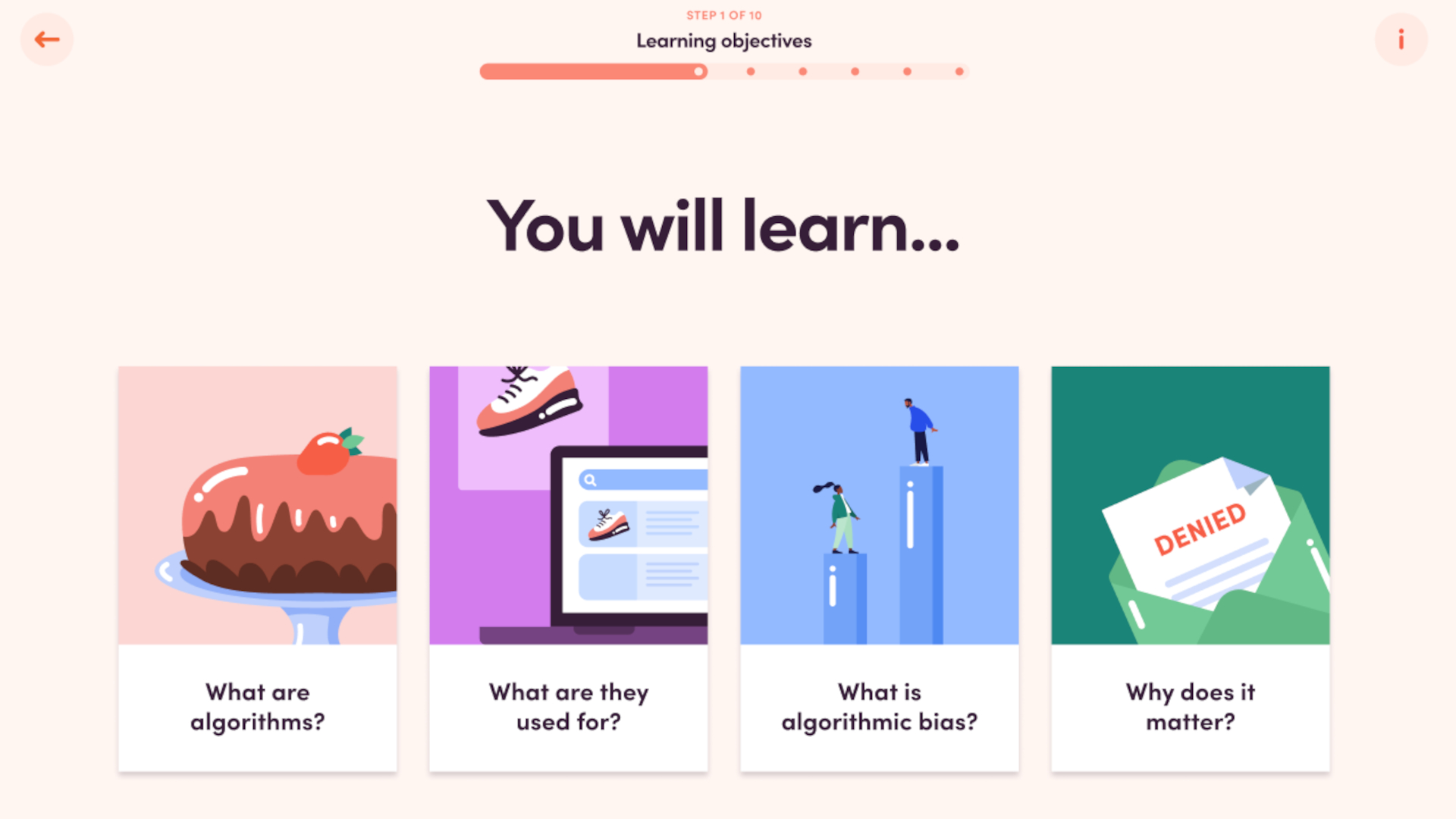
Initially, you’re introduced to the idea of a class designing awards using algorithms, what these are, and why these exist. Then it’s down to the students to work on creating algorithm-based choices and seeing how outcomes are affected.
Students meet a host of characters based on famous historical figures, including Albert Einstein and Rosa Parks. These are presented as classmates competing for awards such as “Most Likely to Go to a Top University,” “Most Likely to Go Viral,” and “Biggest Troublemaker.” By choosing which traits matter most and weighting those characteristics, students construct algorithms that automatically select winners.
Students select traits such as intelligence, popularity, creativity, or leadership, and assign weightings that determine how much influence each factor holds.
As a result, students can see directly how personal assumptions, social stereotypes, and data selection choices influence outcomes.
The setup aligns well with computing, digital citizenship, and PSHE curricula, while also linking naturally to discussions around ethics, media literacy, and social responsibility.
What are the best Most Likely Machine features?
Most Likely Machine is very fun and friendly in its story-led design. That makes it engaging for students while still teaching how algorithms are built, tested, and refined. Only in the context of a reality, which helps them understand outcomes.
Otherwise abstract computational ideas suddenly become a tangible and fun experience.
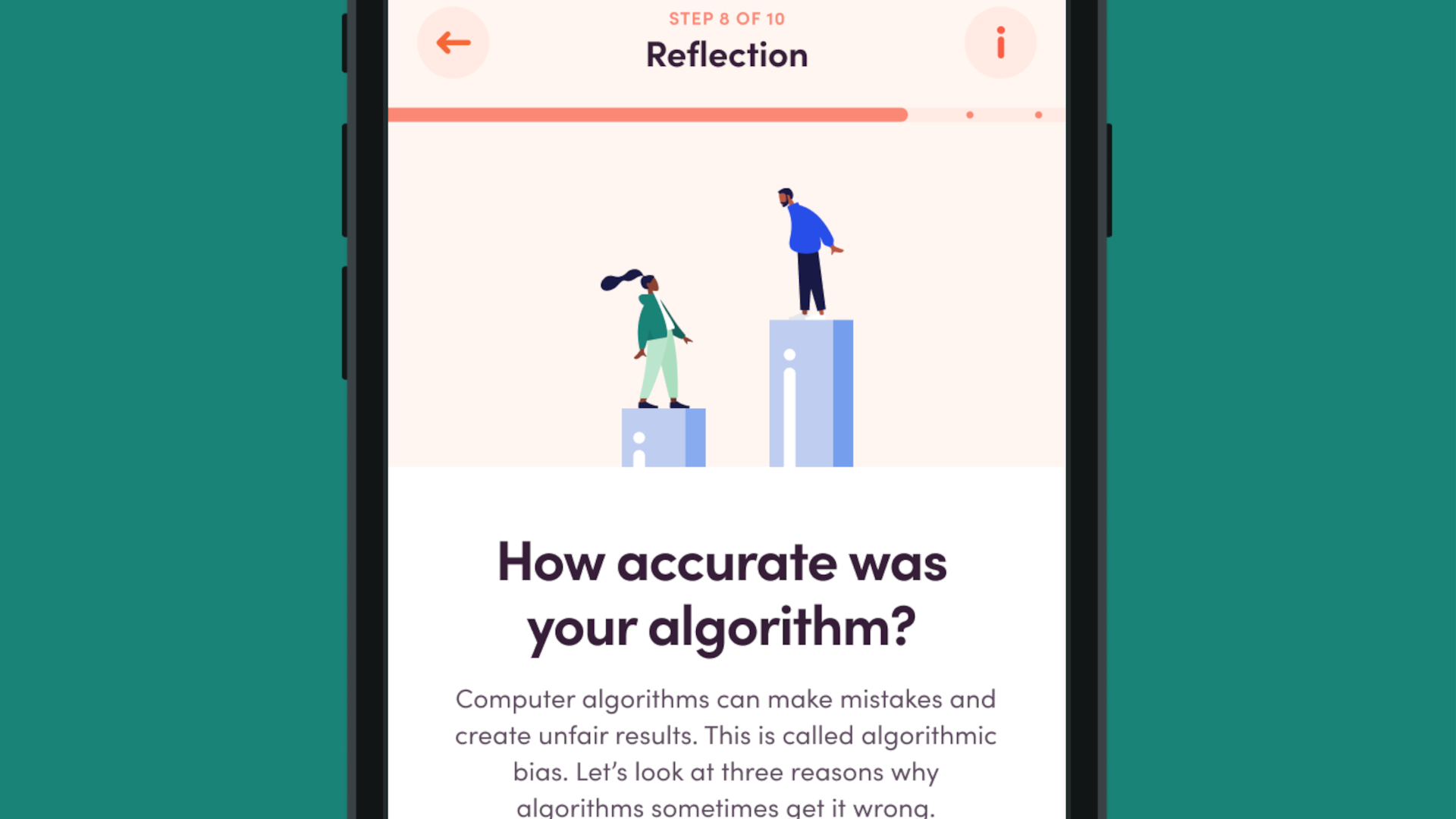
The bias reflection section is particularly helpful as this focuses on social assumptions influencing technical decisions.
Real-world case studies are also used as a way to offer examples that students can critique, covering areas they may feel passionate about, including unfair grading systems, harmful social media, and racial bias in law enforcement tech.

How much does Most Likely Machine cost?
Most Likely Machine is totally free to use and is widely accessible via a browser. As such, this can be used across schools, subjects, and by teachers of varying technical abilities, with ease.
No subscriptions, licensing fees, or premium upgrades are required for classroom use.
Most Likely Machine best tips and tricks
Use it as a discussion starter
Run the activity first, then allocate dedicated time for group discussion. The richest learning often emerges from debating why certain results appeared and what that reveals about bias.
Connect it to real-world technologies
Link student reflections to everyday systems they encounter, TikTok recommendations, YouTube feeds, Spotify playlists, or school assessment software, to deepen relevance.
Pair it with ethics-based writing tasks
Ask students to write short reflections or debates on whether algorithms should be trusted in sensitive decisions like policing, hiring, or university admissions.