


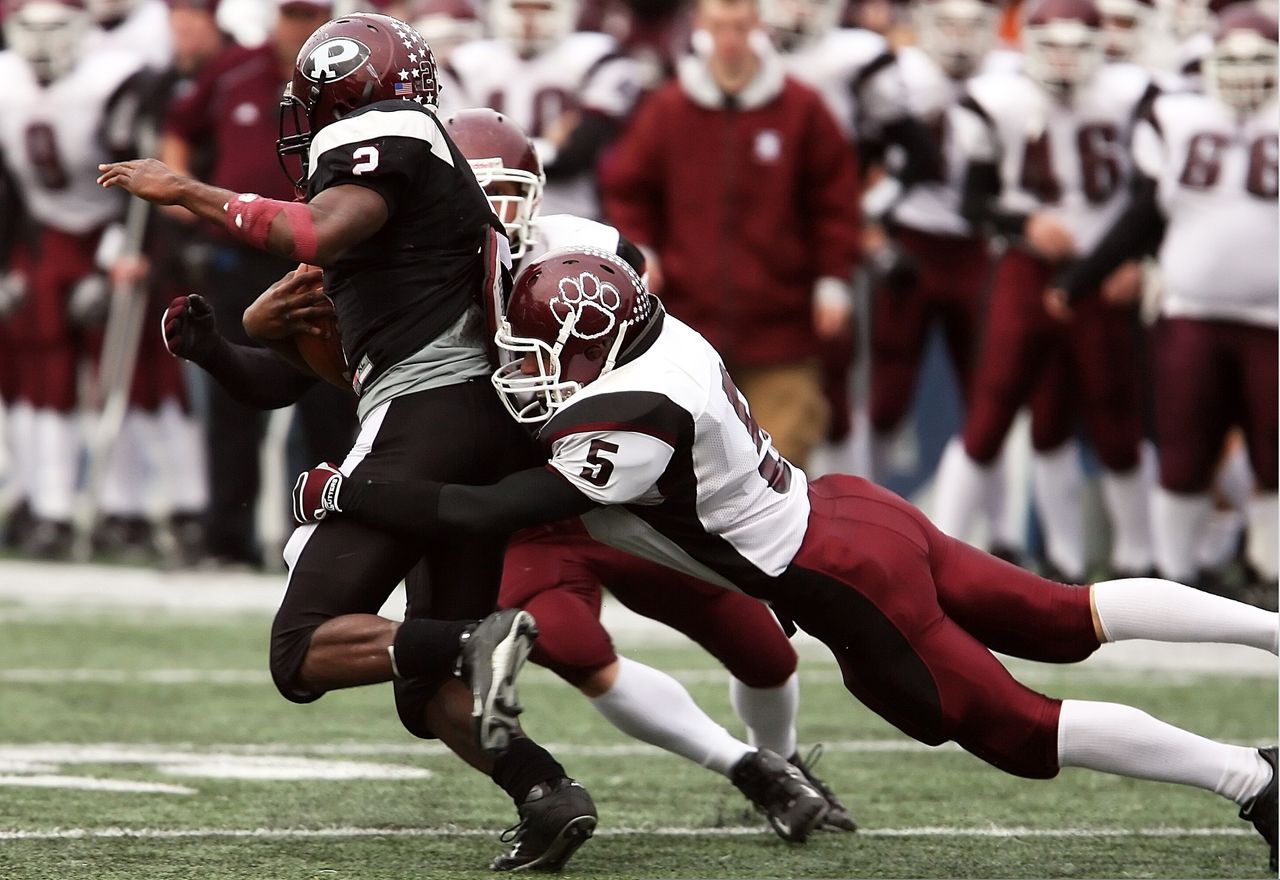
A recent Sports Illustrated article described how some high school football players are using artificial intelligence to fabricate highlight plays in recruiting videos. Generative tools can now insert touchdowns, tackles, or explosive runs that never actually occurred, creating a misleading picture of an athlete’s performance.
At first glance, the story reads like another example of technology being used to gain an unfair advantage. But in many cases, these videos are not as convincing as students might think.
Experienced recruiters, coaches, and even knowledgeable fans can often tell when something is off. The flow feels wrong. The movement does not match the context of the game. What appears impressive at first glance can quickly raise questions.
The real problem is that students may not realize how easily these videos can be spotted. They may overestimate how convincing these tools are and underestimate how quickly credibility can be lost. When that happens, it is not the technology that carries the consequences, but the student–and their integrity.
The Stigma of Consequences
To be fair, authenticity challenges in sports are not new. Highlight reels have always been curated, with athletes and coaches selecting the best moments, angles, and plays. Recruiting videos have never been neutral.
At the same time, experienced evaluators bring a trained eye to the process. They understand the rhythm of a game, the timing of movement, and the mechanics behind each play.
Manipulated clips raise immediate suspicion as it is not that hard for trained adults, and even knowledgeable fans, to recognize one. And when one is exposed, students are the ones who carry the consequences. The loss of trust, the damage to reputation, and the stigma of being caught can follow them well beyond a single video.
In that sense, integrity and reputation are not secondary concerns, but the foundation of the entire process.
Discouraging Shortcuts
AI did not create this challenge, but it has made it easier to act on poor judgment. What once required significant effort can now be done quickly and with little technical skill. The tools are more accessible, and the temptation is greater.
And that makes the response even more important.
Since I am not a recruiting expert, my suggestions here may be overly simple or not fully informed. Still, it seems reasonable that technology could help protect integrity. For example, recruiting platforms or video services might use AI tools to detect manipulated footage or verify highlights against full game recordings uploaded by schools. If AI can generate fabricated highlights, it can also flag these or confirm authentic ones. Even a basic verification layer could serve as a deterrent. Technology alone, however, is unlikely to solve the issue.
Coaches and athletic programs play a critical role in shaping how athletes understand the purpose of highlight reels. AI can be used to analyze performance, break down game film, and identify areas for growth, which support student development. Fabricating plays does none of that, so helping athletes understand that distinction is part of the work.
The cultural layer also cannot be ignored. Highlight videos now live on social media, where attention can become its own reward system. Likes, shares, and visibility can create pressure to produce more impressive content. When attention becomes the incentive, exaggeration can follow.
Coaches and programs can push against that pressure by reinforcing that highlights are meant to reflect real performance, not manufactured moments. Clear expectations and consistent messaging can discourage shortcuts before any take hold.
Opening Doors
Integrity in high school sports is not enforced by rules alone, but is shaped by culture, expectations, and the adults who guide young athletes. When those signals are clear, athletes are more likely to understand that how they represent their performance matters as much as the performance itself.
AI did not create the integrity challenge in high school sports, but has made the consequences more immediate and visible. The real question going forward now becomes if student athletes will understand how easily manipulation can be detected and what is at stake when it is.
In high school sports, performance may open doors. Integrity and reputation determine whether those doors stay open.