

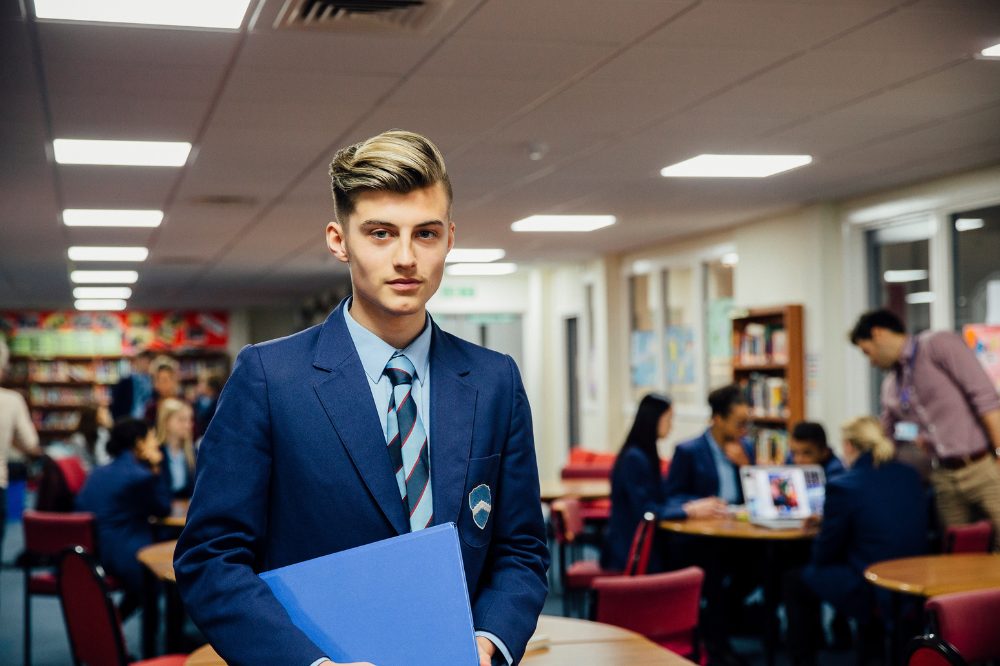
In classrooms across Australia, the pressures facing young people are shifting, and not always in ways schools can easily see.
A new report by NAB paints a cautiously optimistic picture, with overall wellbeing improving and fewer students reporting extreme loneliness. But scratch beneath the surface, and a more complex story emerges.
The ‘NAB Education Insights 2026: Student Wellbeing report’ found that academic pressure still dominates, with nearly two-thirds of students naming schoolwork, tests and grades as their biggest worry, often driven by their own expectations.
At the same time, cost-of-living concerns are creeping into the student mindset, while social media continues to weigh heavily on how young people feel about themselves and their place in the world.
Perhaps most tellingly, students say they want something simple but powerful in response – calmer, more caring teachers, practical life skills like money management, and support that feels personal, not one-size-fits-all.
Below, The Educator digs deeper into the report’s findings with Dean Pearson, NAB’s Head of Behavioural Economics.
TE: The report shows students are feeling better overall, but many still say they struggle to cope when specific worries hit. What does that tell school leaders about the gap between a student looking “fine” on paper and actually being equipped to handle pressure day to day?
I think these findings caution against assuming that strong grades, attendance, and behaviour necessarily mean a student is coping day to day. While average wellbeing has improved, students’ reported ability to cope with specific worries or difficult events has slightly declined, suggesting some students may be managing to perform while still feeling overwhelmed when pressure spikes. The survey also indicates much of the pressure is internal and therefore less visible (with many students describing self-imposed expectations, fear of regret, and marks tied to self-worth), reinforcing the need for proactive check-ins and supportive relationships – not just monitoring traditional indicators.
TE: The majority of student surveyed reported that schoolwork, tests and grades are their biggest worry, with many saying that pressure is self-imposed. What can principals do to build high expectations without creating a culture where kids feel their worth hangs on academic results?
NAB’s research suggests much of academic pressure is internal and can be hidden behind good performance In fact, 80% of students say it is self-imposed, often driven by fear of regret, fear of disappointing others, financial stakes (e.g., scholarships), and anxiety under assessment. Principals can keep standards high while creating a positive and safe environment by making it explicit that students are valued beyond results, signalling that effort, improvement and learning matter as much as outcomes, normalising mistakes and help-seeking through regular check-ins and feedback cycles, and broadening what is recognised and celebrated beyond grades alone. Reinforce that pathways are flexible (not “one-shot”), so a single result does not define a student’s future or their worth.
TE: The report also found that students increasingly want schools to teach practical money skills. What does best-practice financial education look like in a school setting if leaders want it to be useful, age-appropriate and genuinely confidence-building rather than just another box-ticking exercise?
Best practice financial education would be practical and age-sequenced, revisited year-to-year (e.g., from needs vs wants and safe online spending, through to payslips, tax/super, renting, insurance, and understanding credit/interest). It would be embedded across learning areas, taught through real-world scenarios and simulations (budgets, comparing phone plans, identifying scam red flags), and reinforced through regular touchpoints rather than one-off talks. Given NAB findings that many students want practical money management lessons, schools could consider pairing classroom learning with teacher-ready resources and, where feasible, guest workshops – while keeping teachers present so skills transfer into everyday curriculum and wellbeing support. Of course this is a lot to ask from already resource constrained schools.
TE: Students are increasingly asking for calmer, more caring teachers, more personalised support, and clearer help around things like scams and screen use. From your perspective, where should school leaders start if they want to turn those student requests into a whole-school wellbeing strategy that actually changes what young people experience each day?
I would start by using the student voice in this report as your design brief, then translate it into a small number of changes that students can feel in everyday routines. A practical starting sequence might be: (1) Listen and validate – share back the key messages (e.g., pressure is often self-imposed; students want calmer, caring teachers, practical money lessons and personalised feedback) and run quick local pulse-checks; (2) Choose 2–3 priorities that align to the strongest student requests (e.g., relationships/check-ins, assessment/feedback practice, financial literacy, or digital wellbeing) and define what “good” looks like for students day to day; (3) Build it into the timetable and teacher practice (not just programs) – who checks in, when, how support is accessed, and what changes in classrooms; (4) Assign owners and resources (executive sponsor, wellbeing lead, year-level leaders) and set simple implementation milestones; (5) Measure what students experience using short, regular student feedback loops and iterate each term.