

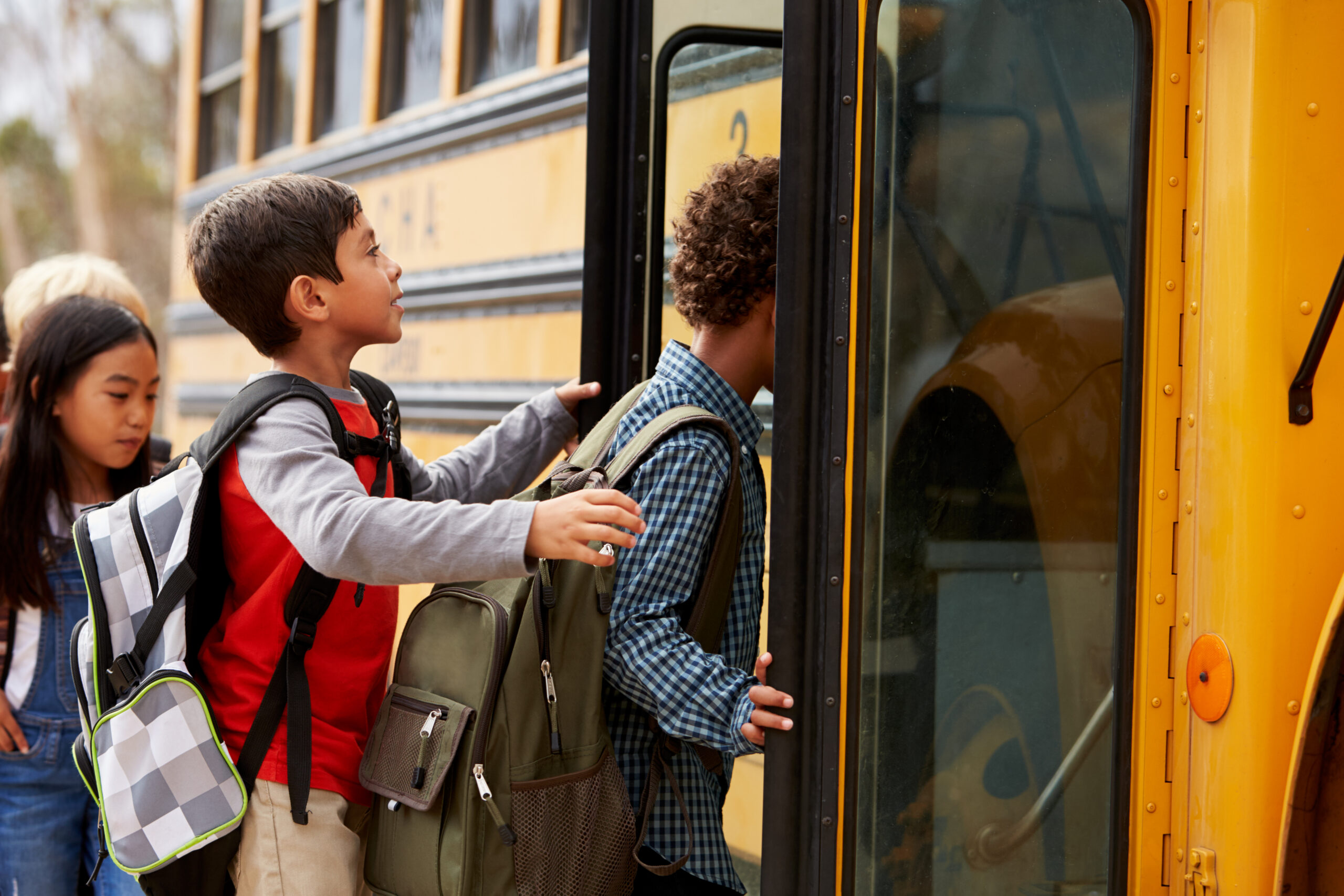
Douglas Fisher, Nancy Frey, and Dominique Smith look for positive ways to reduce chronic absenteeism among multilingual learners
Chronic absenteeism, although improving over the past two years, remains a challenge in most schools and communities. In grades K–8 for the 2024 school year, 18.6% of California students were chronically absent, meaning that they missed 10% or more of the instructional days they were enrolled. But for multilingual learners that same year, chronic absenteeism rates were 20.1%, and for students identified as long-term English learners, the rate was even higher: 23.9%.
Too often, multilingual learners are unfairly blamed for their attendance patterns without consideration of the systemic barriers they face. When teachers assume that chronic absenteeism reflects a lack of motivation or family indifference, it reinforces deficit-based thinking and lowers expectations. Some educators may quietly expect less from Multilingual Learners, believing that language differences, family responsibilities, or cultural barriers will inevitably keep them from fully engaging in school. These lowered expectations can become self-fulfilling, as students sense when they are not believed in or valued. Instead, teachers must approach attendance with empathy, recognizing the structural challenges many multilingual learners face, and communicate high expectations alongside strong support. Sending the message “I know you can succeed here, and I want you here every day” affirms both belonging and belief in a student’s potential.
Causes of Chronic Absenteeism
As noted in an article exploring the reasons for chronic absenteeism (Talkspace, 2025), multiple factors contribute to students missing school. While some of these challenges fall outside of educators’ direct control, many can be influenced by teachers and school leaders in meaningful ways. This has particular significance for multilingual learners, who often rely on schools for far more than academic instruction. For many of these students, school provides access to critical supports such as social services, nutrition, and health care. When absences occur, students risk losing not only learning time but also essential resources that help them thrive both inside and outside the classroom. In fact, the effect of absences on multilingual learners’ reading achievement is more than twice as large as the effect of absences on non-English learners’ reading achievement.
Academic Difficulties. For multilingual learners, academic struggles are often compounded by emerging English proficiency. Students may find it hard to follow lessons, complete assessments, or understand instructions. As these difficulties mount, frustration can set in, leading students to avoid school altogether. Missing instruction only deepens the gap, creating a cycle where the more they are absent, the harder it becomes to catch up.
Bullying. Bullying is a powerful driver of absenteeism, and multilingual learners are at heightened risk. Differences in language, culture, or appearance may make them more visible targets for harassment or social exclusion. Experiences of being mocked for an accent, ignored by peers, or subjected to verbal and physical bullying can create fear and anxiety, causing students to withdraw from school environments they perceive as unsafe.
Health-Related Issues. Illness and health conditions are common contributors to missed school for all students, but multilingual learners and their families often face added challenges. When students have limited access to health care, lack of insurance, or communication barriers with medical providers, managing chronic or acute health concerns is much more difficult. Students coping with conditions such as asthma, diabetes, or anxiety may be absent more often, particularly if families are unsure how to seek timely support.
Socioeconomic Challenges. Poverty and housing instability place tremendous pressure on families and can directly affect students’ ability to attend school. Multilingual learners are disproportionately represented in communities facing these challenges. Unstable housing arrangements, lack of transportation, and limited financial resources for basic needs such as clothing or supplies can all contribute to inconsistent attendance.
Mental Health. Multilingual learners often navigate stressors related to migration, acculturation, and identity. Separation from extended family, pressure to succeed academically while learning a new language, and experiences of discrimination can weigh heavily. These challenges may manifest as anxiety, depression, or school avoidance, leaving students feeling disconnected from their peers and classrooms.
Family Circumstances. Family responsibilities and disruptions can interfere with school attendance. Some multilingual learners take on caregiving roles for younger siblings, or they may be expected to help interpret and navigate daily tasks for parents. Family crises such as divorce, relocation, or immigration-related stress can further destabilize routines, leaving students struggling to prioritize school over pressing home obligations.
Improving Attendance for Multilingual Learners
Improving school attendance among multilingual learners requires intentional strategies that strengthen connections, reduce barriers, and foster a sense of belonging. When students feel valued, supported, and engaged, they are more likely to attend school consistently.
1. Build strong relationships. The foundation of improved attendance is trust. Teachers can learn students’ names, honor their cultures, and show genuine interest in their stories. These actions communicate respect and belonging. Regular check-ins, such as noticing when a student is absent and saying, “We missed you yesterday,” let students know their presence matters. This personal recognition helps create classrooms where students feel safe, welcomed, and wanted.
2. Address bullying directly. Bullying prevention must be an intentional part of improving attendance, especially for multilingual learners, who are often targeted because of language, culture, or newcomer status. Schools can reduce bullying by cultivating a positive climate that emphasizes respect and belonging for all students. This includes implementing clear anti-bullying policies, teaching social–emotional learning (SEL) skills such as empathy and conflict resolution, and making sure every student knows how to report concerns safely. Teachers can also model inclusive behavior, intervene quickly when bullying occurs, and ensure that multilingual learners have trusted adults and peer allies in the school. When students feel physically and emotionally safe, they are far more likely to attend school consistently.
3. Communicate clearly with families. Strong family–school partnerships are essential. Using home languages in notes, calls, or texts makes information accessible and builds trust. Teachers can rely on interpreters or translation apps when needed. It is equally important to simplify communication by breaking down complex letters about attendance, events, or school policies. Many families may not realize that missing just a few days can have a lasting impact on academic success. Clear, compassionate communication helps families become active allies in supporting attendance.
4. Reduce barriers to attendance. Logistical and systemic barriers can be mitigated through proactive support. Schools can connect families with carpools, bus passes, or district transportation options. For families with health or immigration concerns, reassurance that schools are safe, supportive spaces is crucial. Flexibility in attendance policies, such as allowing late arrivals rather than marking absences, acknowledges the real challenges families may face and encourages persistence.
5. Create an inclusive classroom environment. Classrooms that affirm multilingualism and diversity encourage students to show up and participate. Teachers can display student languages, incorporate cultural references into lessons, and use strategies such as visuals, gestures, peer buddies, and cooperative learning. Recognizing consistent attendance in positive, low-pressure ways further reinforces the value of being present every day.
6. Collaborate with school and community supports. Teachers do not need to address attendance challenges alone. Counselors, social workers, and program coordinators can provide wraparound services that meet both academic and nonacademic needs. Partnerships with community agencies can support families with childcare, health care, housing, or employment resources, reducing the stressors that often contribute to absenteeism.
7. Make school feel relevant and joyful. Students are more likely to attend when school is meaningful and engaging. Hands-on, interactive lessons capture attention and sustain motivation. Encouraging multilingual learners to join clubs, sports, or extracurricular activities fosters friendships, builds confidence, and strengthens their sense of belonging. When students experience school as a place of joy and relevance, they are motivated to attend consistently.
Chronic absenteeism among multilingual learners is not simply a matter of individual choice. It reflects a complex interplay of academic, social, economic, and systemic barriers. When schools overlook these realities, they risk reinforcing inequities and lowering expectations for their students. But when teachers and leaders respond with empathy, high expectations, and targeted support, they transform attendance from a compliance issue into an opportunity for equity and belonging.
Improving attendance is ultimately about more than just “getting students in the door.” It is about creating conditions where multilingual learners feel safe, valued, and inspired to participate fully in their education. By addressing bullying, removing barriers, strengthening family partnerships, and building inclusive, joyful classrooms, educators can ensure that every student has consistent access to the learning and support they deserve.
Every day matters. Each time a multilingual learner walks into school, they gain not only academic knowledge but also critical access to social networks, essential services, and a stronger sense of identity. The collective challenge for schools is to make sure students are there, and to make sure that when they arrive, they are met with opportunity, dignity, and belief in their potential.
References
Gershenson, S., Jacknowitz, A., and Brannegan, A. (2017). “Are Student Absences Worth the Worry in US Primary Schools?” Education Finance and Policy, 12(2), 137–165.
Talkspace. (2025). “7 Reasons for Chronic Absenteeism in Students.” Talkspace Business. https://business.talkspace.com/articles/causes-of-chronic-absenteeism-in-students
Douglas Fisher is professor and chair of educational leadership at San Diego State University and a leader at Health Sciences High and Middle College. Previously, Doug was an early intervention teacher and elementary school educator. He is a credentialed teacher and leader in California. In 2022, he was inducted into the Reading Hall of Fame by the Literacy Research Association. He has published widely on literacy, quality instruction, and assessment, as well as books such as Welcome to Teaching, PLC+, Teaching Students to Drive Their Learning, and Student Assessment: Better Evidence, Better Decisions, Better Learning.
Nancy Frey is professor of educational leadership at San Diego State University and a leader at Health Sciences High and Middle College. Previously, Nancy was a teacher, academic coach, and central office resource coordinator in Florida. She is a credentialed special educator, reading specialist, and administrator in California. She is a member of the International Literacy Association’s Literacy Research Panel and has published widely, including books such as Welcome to Teaching, PLC+, Teaching Students to Drive Their Learning, and Student Assessment: Better Evidence, Better Decisions, Better Learning.
Dominique Smith is principal of Health Sciences High in San Diego, CA. He earned his master’s degree in social work from University of California and his doctoral degree in education with an emphasis in educational leadership from San Diego State University. His dual expertise in education and social work uniquely positions him to bridge the gap between academic success, emotional safety, and school culture. A passionate advocate for belonging, restorative practices, and leadership development,Dr. Smith has co-authored several influential books, including Belonging in School: Creating a Place Where Kids Want to Learn and Teachers Want to Stay, Engagement by Design, and The Restorative Practices Playbook.